Modern Car Culture Isn't Dying, It Just Outgrew the Old Playbook
Written and reviewed by the CarCultureHQ Editorial Team. See our Editorial Policy for sourcing and corrections.
Estimated Reading Time: 6 minutes
Summary: Every decade, someone declares that the automotive hobby is on life support. Yet if you spend a Friday night in a local shop bay or scroll through active digital garages, you will find a scene that is busier and more diverse than ever. The real shift in modern car culture is not a drop in passion; it is a quiet rebellion against disposable social media feeds in favor of permanent build documentation, cross-generational respect, and local community.
Modern Car Culture Isn't Dying, It Just Outgrew the Old Playbook
Every few years, someone with a microphone announces that people no longer care about cars. They point to rising vehicle prices, stricter emissions rules, the disappearance of affordable manual coupes, or screens replacing analog gauges. Then they wrap it up with a tidy funeral speech for the automotive enthusiast.
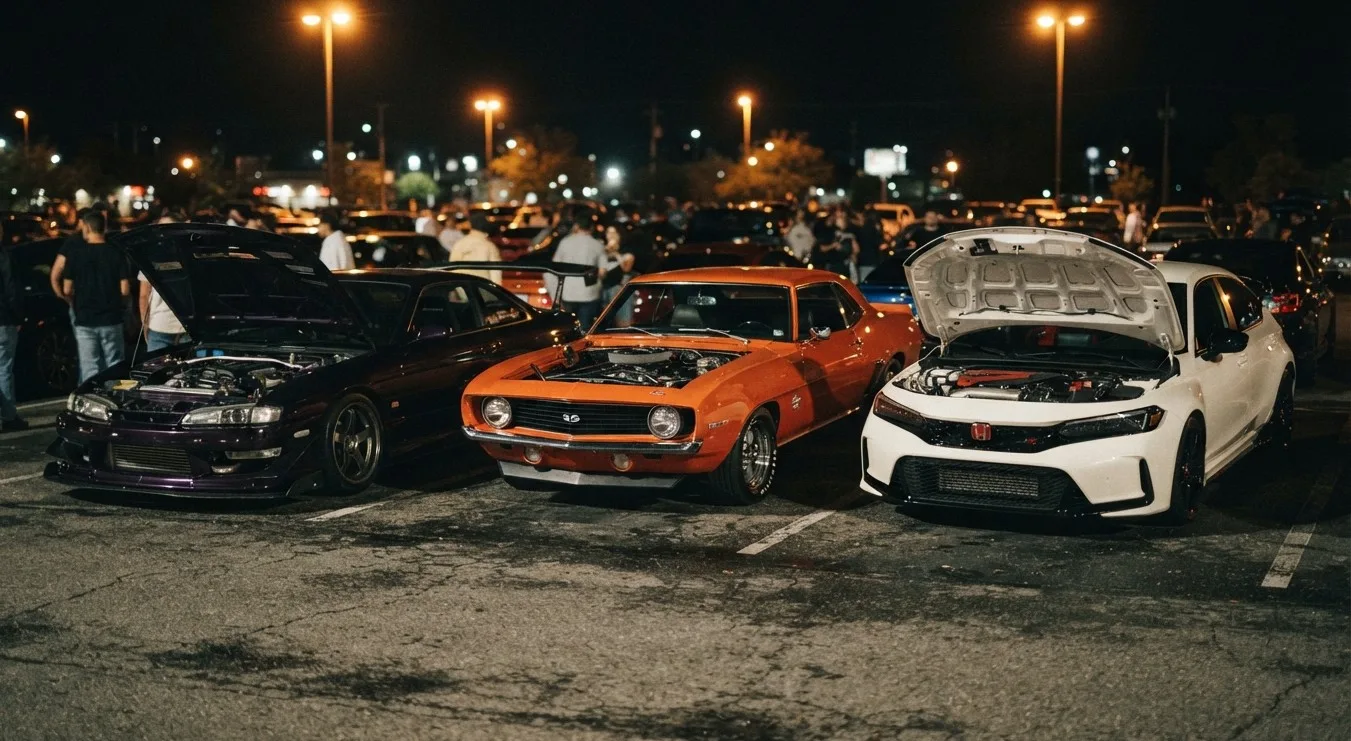
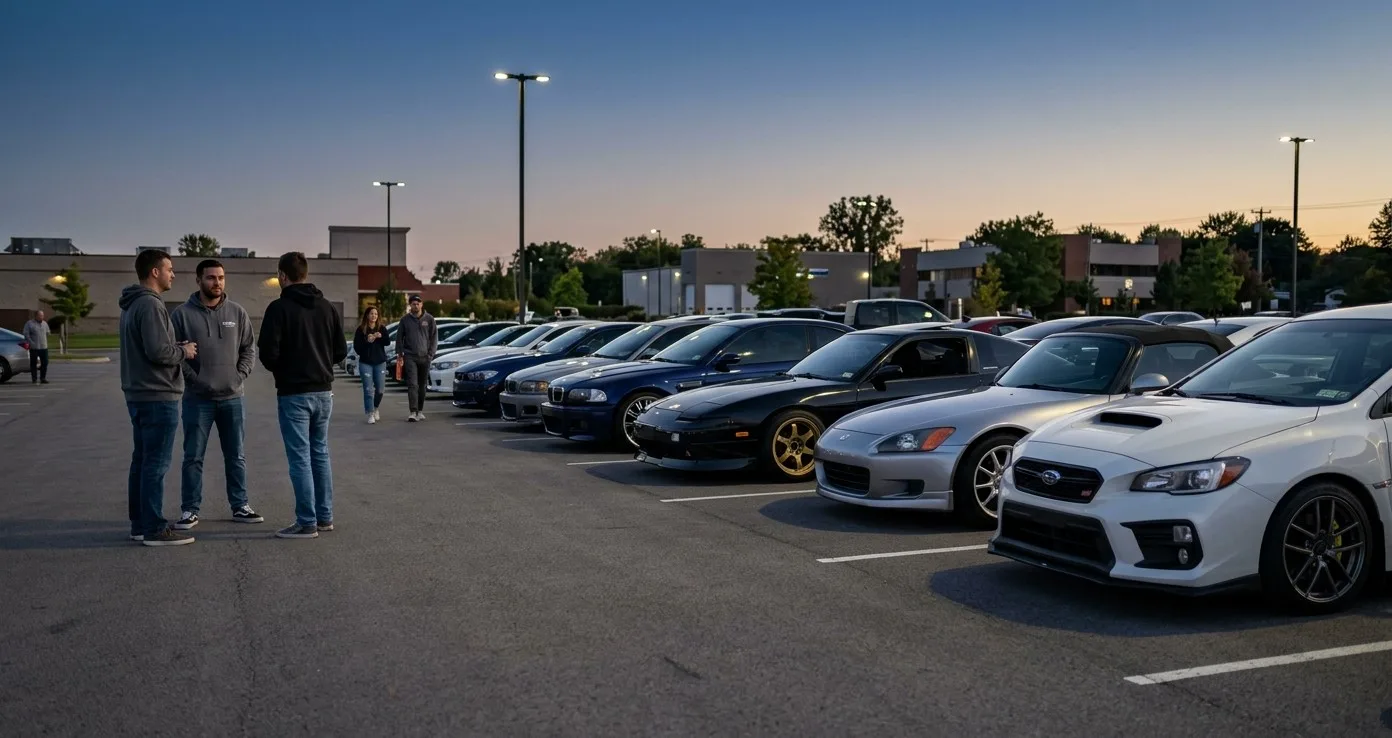
Spend ten minutes in a crowded tire shop on a Saturday morning, or pull into a well-run parking lot meet at 9:00 PM, and that theory falls apart fast.
Modern car culture is not dying. It simply stopped looking like a 1998 magazine spread or a 2016 social media feed. If you only measure the health of the scene by new-car dealership brochures or viral stunt videos, you are looking in the wrong places. The wrenches are still turning. The difference today is how builders document their work, who shows up to the lot, and what enthusiasts actually respect.
Join CarCultureHQ
Claim your free digital garage
Build your ride profile, log modifications, join a crew, and get your build in front of thousands of enthusiasts.
Create your free garageWhy People Think the Scene Is Fading
When longtime gearheads say the culture is disappearing, they are usually mourning a specific format, not the passion itself.
Twenty years ago, the shared language was centralized. You bought the same print magazines, argued on the same make-specific vBulletin forums, and waited all summer for one regional event. Today, that single town square has fractured into dozens of micro-communities.
Three visible shifts feed the "car culture is dead" narrative:
Mainstream algorithms reward chaos, not craftsmanship. Short-form video platforms push takeover clips, rev-limiter abuse, and staged drama because outrage drives comments. Quiet fabrication work in a home garage rarely goes viral, so outsiders assume nobody is building anymore.
New performance cars cost too much. When an entry-level sports coupe pushes past $40,000, younger buyers get priced out of showroom floors. Instead of quitting, they buy a 2008 Honda Fit, an early-2000s Lexus IS, or a neglected Fox-body Mustang and build from there.
Classic forum archives vanished. Broken image links and dead Photobucket accounts wiped out two decades of wiring diagrams and swap guides. For a while, enthusiasts had nowhere permanent to park their build knowledge.
None of those hurdles killed the urge to modify a machine. They just forced builders to get resourceful.
How Modern Car Culture Actually Operates Today
Look closely at the garages gaining traction right now. The builders setting the tone are pragmatic, data-minded, and far less tribal than previous generations.
1. Cross-Generational Respect Replaced Brand Tribalism
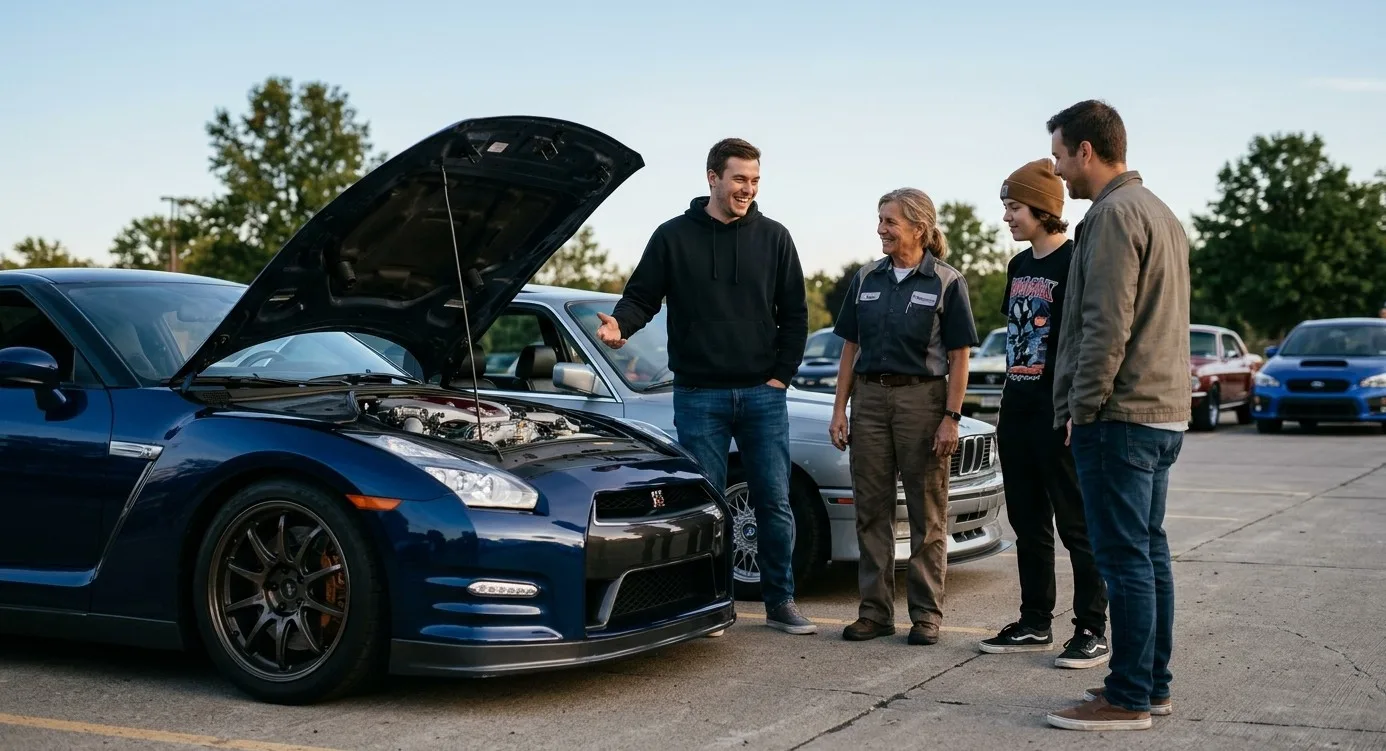
In the early 2000s, domestic V8 guys and import tuners barely parked in the same zip code. Today, the lines are blurred. A 55-year-old restoring a 1971 Chevelle will gladly walk over to inspect the turbo manifold routing on a 1993 Honda Civic. Both owners understand what it takes to chase down an electrical gremlin at midnight.
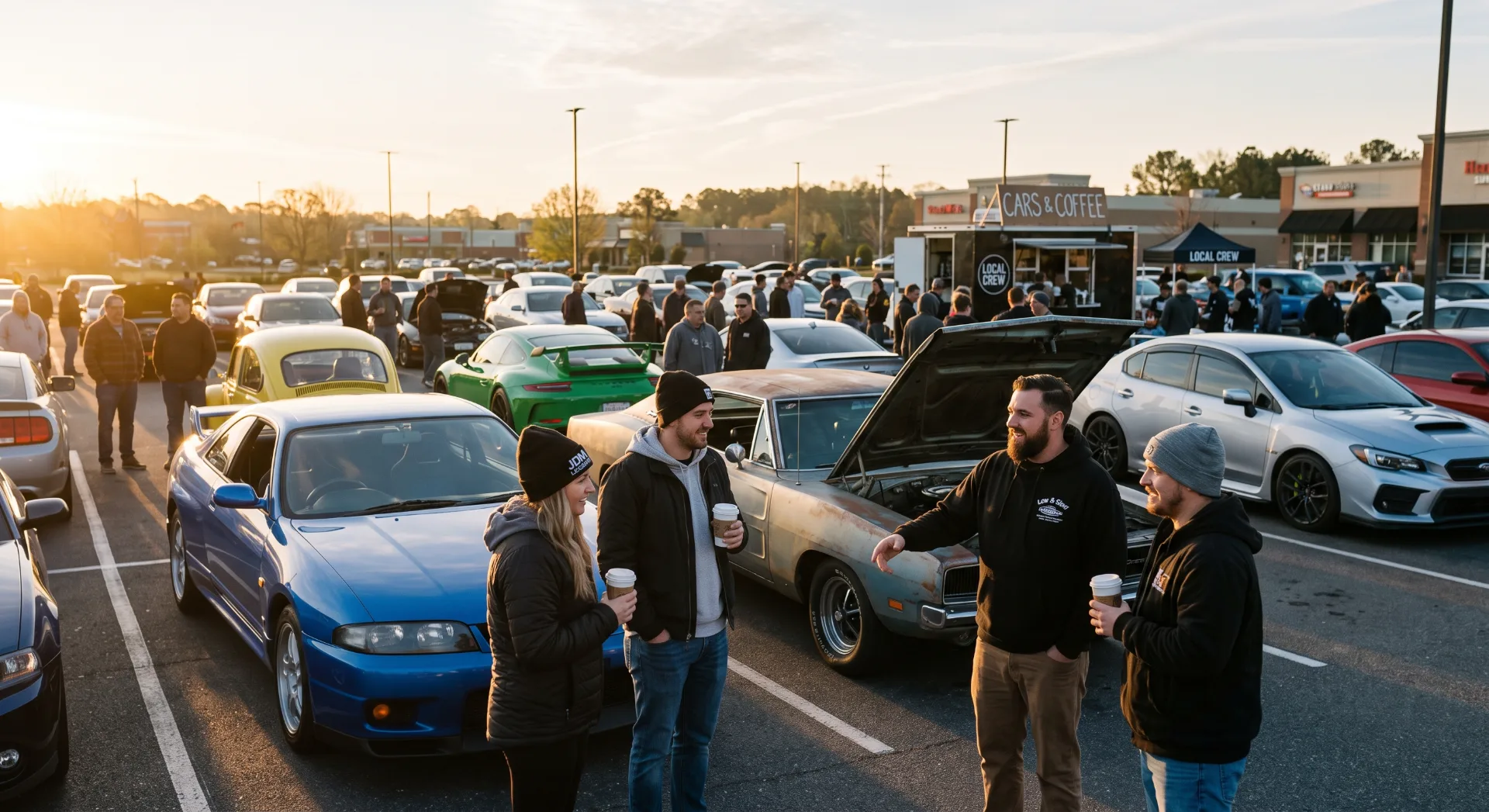
You see this across the diverse rides in the CCHQ community, where 1950s cruisers, 1990s Japanese coupes, modern Korean performance hatches, and lifted overland rigs sit side by side. The common denominator is effort, not the badge on the grille.
2. Permanent Build Logs Beat Disposable Posts
Social media trains you to post a photo, watch the likes roll in for four hours, and let the post sink into a black hole. That model works fine for lunch photos. It is terrible for a three-year engine swap.
Enthusiasts are tired of answering "what wheel specs are those?" fifty times in a comment section because their actual setup is buried under two hundred unrelated posts. Builders want a structured record: factory specs, modification timelines, maintenance receipts, verified track slips, and honest feedback from people who know what they are looking at.
That exact frustration is why we built Car Culture HQ around permanent digital garages rather than an ephemeral feed. When your car has a searchable build sheet and a living history, the work you put into it holds value long after the scroll ends.
3. Local Crews Are Taking Back the Night
After a rough stretch where reckless street takeovers gave local law enforcement an excuse to shut down legitimate meets, responsible organizers stepped up. Car clubs and local crews are enforcing basic lot rules again: no burnouts on exit, no bouncing off the limiter at midnight, and respect for the property owner.
The result is a return to grassroots gatherings where families, first-time builders, and veteran fabricators can actually talk without screaming over exhaust pops.
The Old Era (1995 to 2010) | The Social Clout Era (2012 to 2022) | Modern Car Culture (Today) |
Print magazines and vBulletin forums | Ephemeral photo feeds and short videos | Permanent digital garages and searchable build data |
Strict brand and scene gatekeeping | Trend-chasing wraps and bolt-on hype | Cross-scene respect for fabrication and wrench time |
Paper receipts stuffed in a glovebox | Unverified horsepower claims in captions | Logged maintenance, dyno sheets, and verified time slips |
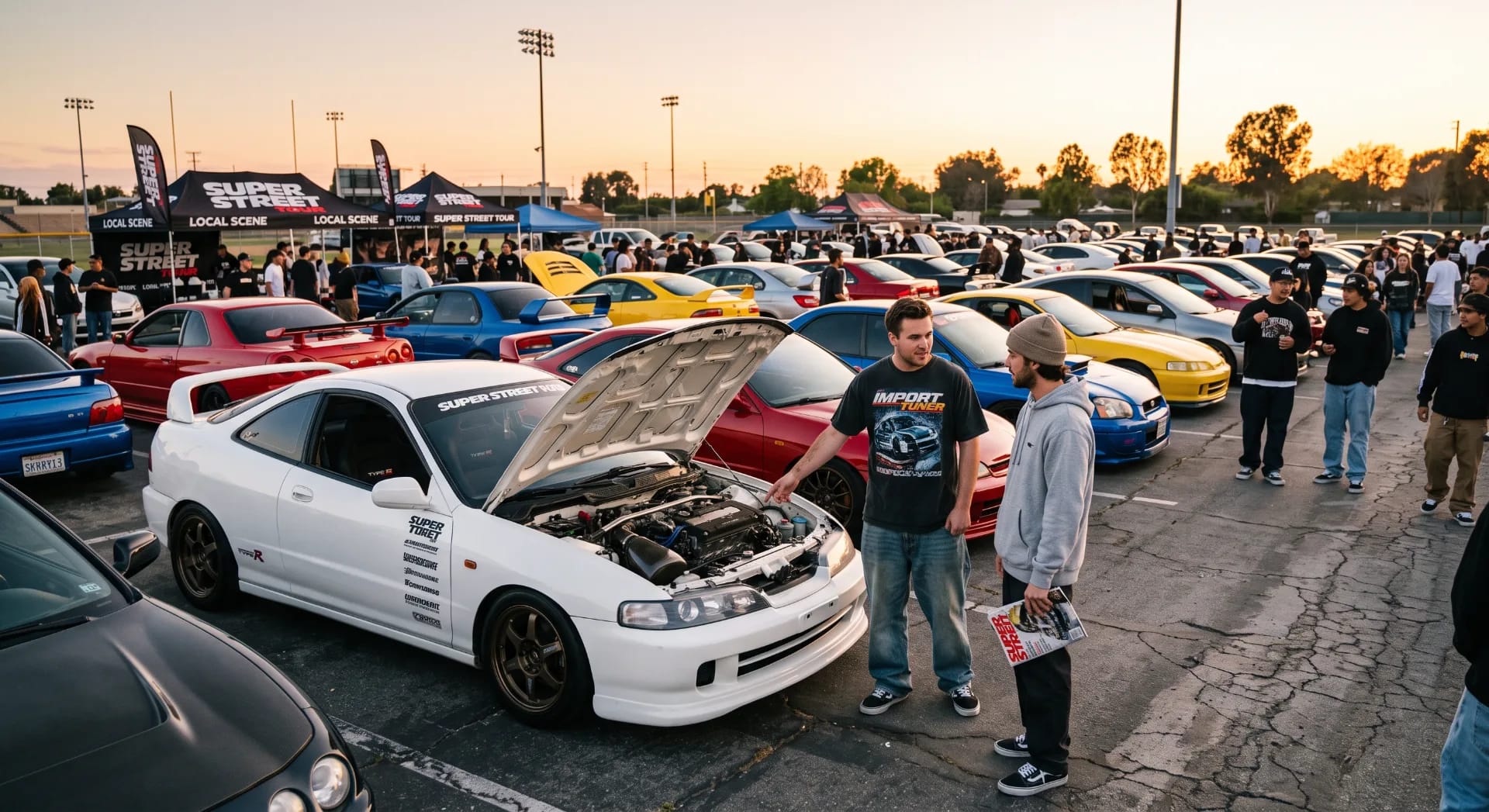
Regional annual mega-shows | Chaotic pop-up lot meets | Organized local crews and curated Show & Shine events |
What This Shift Means for Shops, Brands, and Organizers
If you run a performance shop, sell aftermarket parts, or organize local events, the rules of engagement have changed. Enthusiasts have built up a thick layer of skepticism toward polished corporate ads that feel disconnected from the garage floor.
To earn real trust in modern car culture, focus on four practical habits:
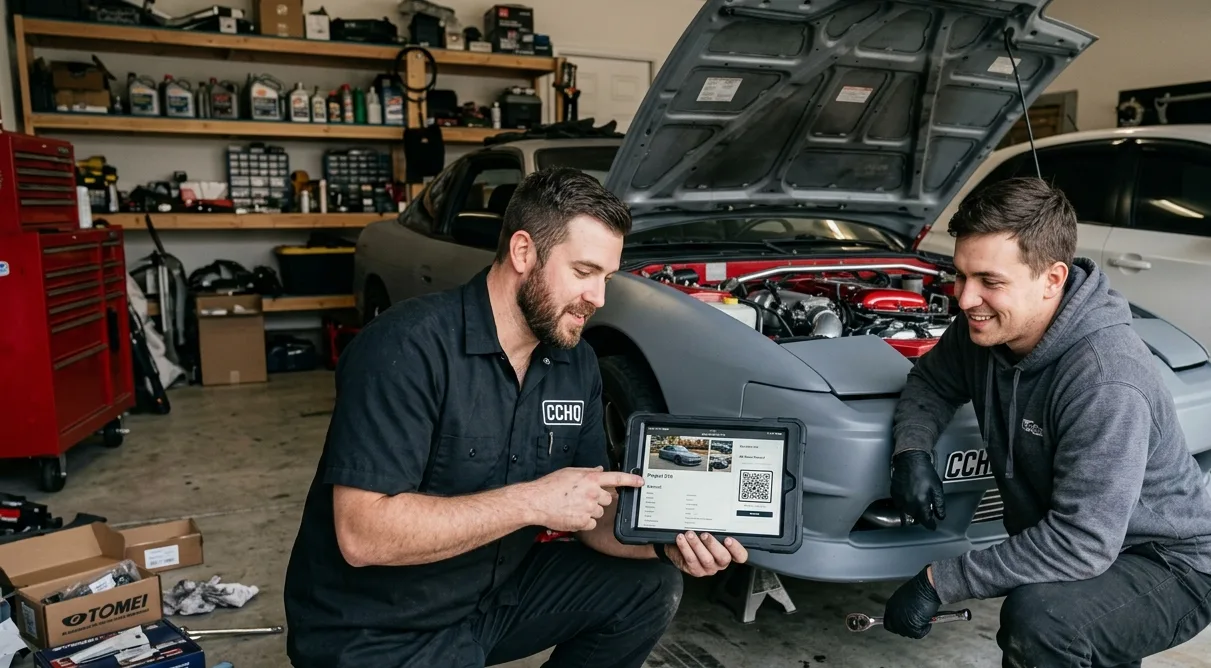
Show the process, not just the hero shot. Buyers want to see how a part fits, what tools are required, and what problems you solved during installation. Raw shop notes outsell glossy studio renders every time.
Meet builders where they research. When someone is sizing tires or checking lug thread engagement, they are using practical utilities like a wheel spacer calculator or reading 50-state legality guides. Helpful tools build brand recall before a customer ever opens their wallet.
Invest in local visibility over vague impressions. A speed shop in Ohio does not need 50,000 views from across the globe. It needs local builders searching for dyno tuning and fabrication to find accurate hours, real shop photos, and honest reviews.
Sponsor the grassroots. Supporting a local crew's Show & Shine trophy or hosting an open-bay coffee morning creates loyalty that banner ads alone cannot buy.
How to Keep Your Own Build Connected
Whether you are turning wrenches on your first daily driver or managing a multi-car collection, you have a direct hand in where the hobby goes next.
Start by treating your build like a story worth keeping. Document your baseline specs before you turn the first bolt. Log your oil changes, alignment numbers, and part part-numbers so the next owner—or your future self—knows exactly what went into the chassis. Connect with a local crew, show up to meets with a good attitude, and give honest credit to the builders who help you along the way.
Cars will keep changing. Powertrains will evolve, regulations will shift, and platforms will come and go. None of that changes the core hook: taking a mechanical object, making it yours through patience and sweat, and sharing the road with people who understand why you bothered.
Join CarCultureHQ
Claim your free digital garage
Build your ride profile, log modifications, join a crew, and get your build in front of thousands of enthusiasts.
Create your free garageFrequently asked questions
Is car culture dying among younger generations?
No. While high new-car prices have pushed younger enthusiasts away from dealership showrooms, participation in affordable used platforms, grassroots autocross, drift events, and local meets remains strong. Younger builders simply document and organize their scenes differently than previous generations.
How has social media changed the automotive enthusiast community?
Social media made it easier to discover builds worldwide, but algorithm-driven feeds also encouraged short-term clout chasing and buried technical knowledge. Many builders are now moving back toward structured digital garages and searchable build sheets so their work is not lost in a feed.
What defines modern car culture today?
Modern car culture is defined by cross-generational respect, data-backed modifications, local crew accountability, and permanent build documentation. Whether a car is a 1970s muscle restoration, a 1990s import tuner, or a modern daily driver, the focus is on authentic wrench time and community connection.
How can local speed shops attract more enthusiast customers?
Speed shops attract loyal builders by publishing transparent service rates, showcasing real in-progress fabrication work, claiming accurate local directory listings, and supporting regional car meets and track days rather than relying solely on generic online ads.

Comments
Join the conversation on Modern Car Culture Isn't Dying, It Just Outgrew the Old Playbook. Keep it civil — admins moderate reports.
Loading comments…