The Truth About Track Days: What Nobody Tells You Before Your First Lap
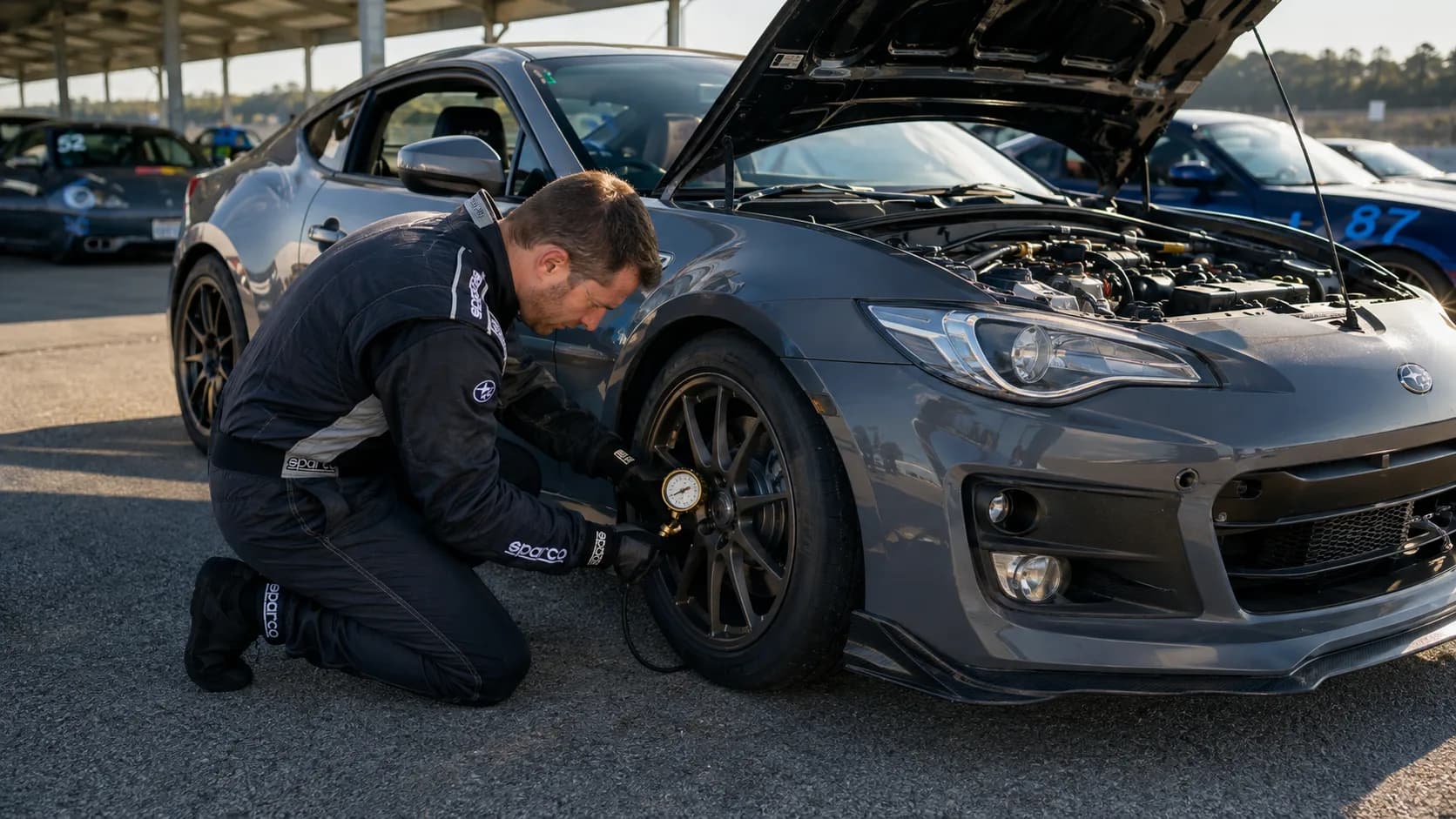
Your first track day will not look like a highlight reel on social media. It is loud, physically exhausting, and full of harsh mechanical realities that glossy videos never show. This guide cuts through the romanticized noise to give you the honest truth about what actually breaks, how fast your tires turn into molten rubber, and why managing your mental stamina in the paddock matters just as much as your lap times.
The Truth About Track Days: What Nobody Tells You Before Your First Lap
Most people think their first track day will feel like an open-track video game. You strap in, wait for the green flag, drop the hammer, and spend twenty minutes hitting clipping points like a seasoned professional driver.
The reality hits you about four laps into your first morning session.
Your cabin smells like hot friction material. Your brake pedal starts traveling two inches further than it did in the paddock. You are sweating through your fire-rated helmet, your forearms are cramping from gripping the steering wheel too hard, and a twenty-year-old hatchback with eighty horsepower is glued to your rear bumper because you blew through the braking zone.
Track driving is the best thing you can ever do with a car, but nobody tells you how messy, exhausting, and mechanically unforgiving the day actually is.
Track pace is about consistency, not dyno sheets. Log your verified time slips, track your lap progression, and climb the Driver Tier ladder on Car Culture HQ.
Join CarCultureHQ
Claim your free digital garage
Build your ride profile, log modifications, join a crew, and get your build in front of thousands of enthusiasts.
Create your free garageYour Brakes Will Fail Before Your Courage Does
The biggest trap for beginners is bringing big engine power to a circuit on stock factory brake hardware.
On the street, you never use more than thirty percent of your braking capacity for more than three seconds at a time. On a road course, you are stomping the middle pedal from one hundred miles per hour down to forty miles per hour every forty-five seconds.
That creates massive thermal energy. If you show up on standard factory brake fluid, the moisture inside that fluid will boil rapidly into vapor. The pedal goes straight to the floorboard into turn one, and your heart jumps straight into your throat.
Before you spend a single dollar on sticky tires or engine tunes, do two basic maintenance jobs:
Flush your brake lines with high-temp racing brake fluid (DOT 4 with a high dry boiling point).
Install dedicated track-spec brake pads that can handle high heat cycles without disintegrating into dust.
Tires Do Not Just Grip; They Melt
Street tires are engineered to deliver quiet comfort, channel heavy standing water, and last forty thousand miles. They are not engineered to take continuous lateral load against rough asphalt at one hundred and sixty degrees.
Within three laps, standard all-season tires get greasy. The tread blocks roll over onto the sidewalls, the car begins pushing wide in understeer, and your steering wheel feels disconnected from the front hubs.
"You don't need a thousand-dollar set of racing slicks. You just need to check your hot tire pressures the second you pull off the hot pit lane."
Cold air inside your tires expands dramatically under track heat. A tire you set to thirty-two PSI in the paddock at 8:00 AM will easily climb to forty-two PSI after ten hard minutes on circuit. That over-inflation turns your contact patch into a narrow strip. Bring a reliable pressure gauge and bleed that hot air out after every single session.
The Paddock Is Where the Real Work Happens
The twenty minutes you spend driving on track are intense, but the forty minutes between sessions are where your day is won or lost.
Track days are physically and mentally draining. You are managing high cognitive loads while your body takes lateral G-forces. If you do not drink water, you will develop a splitting headache by 1:00 PM, your reaction times will crater, and you will start making sloppy mistakes on corner entry.
Keep a basic paddock routine:
Pop the hood immediately to let trapped engine bay heat escape.
Do not pull your emergency handbrake when parking in the paddock; hot rear pads will fuse or warp against red-hot brake rotors.
Torque your wheel lug nuts before your first run, but wait until the wheels cool down before checking them again.
Drink water, stay out of the direct sun, and walk over to talk to the drivers parked around you.
Park Your Ego at the Registration Gate
The fastest way to ruin your project car or your track day is driving with an bruised ego.
You will get passed. A beat-up four-cylinder driven by an instructor with ten years of seat time will drive around the outside of your high-horsepower performance car like you are standing still.
Let them pass. Hit your turn signal, point them by on the straightaway, and watch what line they take through the next sequence of corners. Track driving is a skill that takes years of seat time to develop, and every session is an opportunity to learn vehicle dynamics from people who have already broken the parts you are trying to preserve.
Join CarCultureHQ
Claim your free digital garage
Build your ride profile, log modifications, join a crew, and get your build in front of thousands of enthusiasts.
Create your free garageFrequently asked questions
Do I need dedicated track insurance for my first event?
Yes. Standard personal auto insurance policies almost universally exclude coverage for events held on closed racing circuits, even for non-timed track days. Purchasing single-day HPDE (High Performance Driver Education) insurance protects your vehicle investment against damage.
Will running on a track destroy my daily driver?
If your car is mechanically maintained and you do not abuse the hardware, no. However, track driving accelerates wear on consumable parts like brake pads, rotors, tires, and engine oil far faster than regular road use.
What basic tools should I pack for my first track day?
Bring a calibrated tire pressure gauge, a torque wrench for wheel lugs, a quart of fresh engine oil, a bottle of compatible brake fluid, painter's tape for car numbers, glass cleaner, and plenty of drinking water.
What does a point-by passing signal mean?
In beginner and intermediate track run groups, passing is strictly restricted to designated straights. A point-by is when the leading driver uses their hand or turn signal to direct the trailing car to safely pass on a specific side.



Comments
Join the conversation on The Truth About Track Days: What Nobody Tells You Before Your First Lap. Keep it civil — admins moderate reports.
Loading comments…