Past 200,000 Miles: How to Keep a High-Mileage Enthusiast Car Dialed In
Written and reviewed by the CarCultureHQ Editorial Team. See our Editorial Policy for sourcing and corrections.
Estimated Reading Time: 7 minutes
Summary: Crossing 200,000 miles on an odometer used to signal the end of a car's fun years. Today, rising new-car prices and a deeper appreciation for analog driving dynamics have turned high-mileage platforms into some of the most respected builds in the paddock. Keeping a high-mileage enthusiast car reliable takes a deliberate shift from reactive repairs to systematic baseline maintenance, smart chassis refreshes, and permanent service records.
Past 200,000 Miles: How to Keep a High-Mileage Enthusiast Car Dialed In
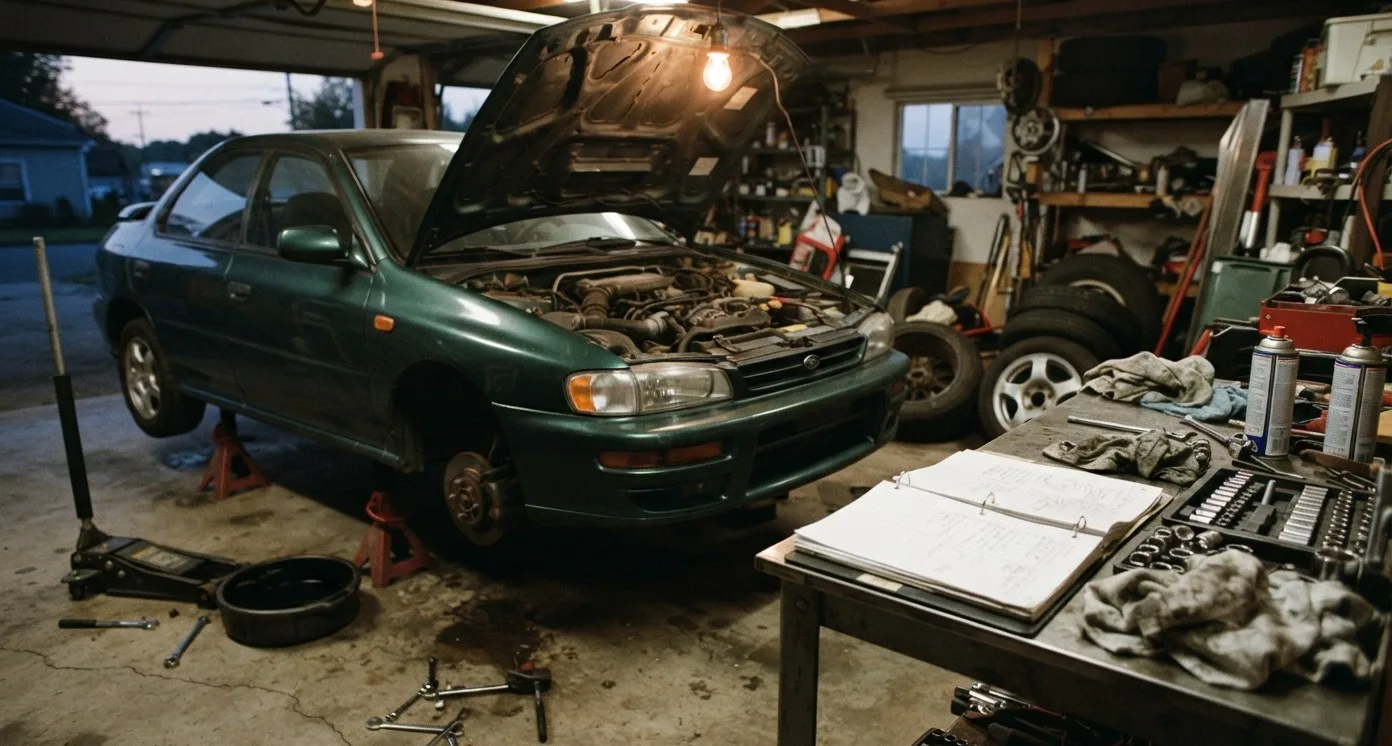
Most buyers see 180,000 miles on a listing and immediately close the browser tab. They picture blown head gaskets, mysterious electrical gremlins, and a flatbed tow truck waiting outside every track day.
Ask anyone who actually turns wrenches on older platforms, though, and you will hear a different story. A well-sorted high-mileage enthusiast car with 210,000 documented miles is often healthier than a neglected 75,000-mile garage queen sitting on original hoses and dry-rotted tires.
Odometer numbers tell you how far a chassis has traveled. They tell you almost nothing about how the car was cared for along the way. With new sports cars climbing out of reach for everyday buyers, keeping an aging driver's car sharp, tight, and dependable is one of the smartest ways to stay in the hobby.
Join CarCultureHQ
Claim your free digital garage
Build your ride profile, log modifications, join a crew, and get your build in front of thousands of enthusiasts.
Create your free garageWhy High-Mileage Builds Deserve Respect
Walk through any local morning meet or browse the active builds across the Car Culture HQ garage community, and you will spot plenty of odometers that rolled past 200,000 years ago. E36 and E46 BMWs, ninth-generation Civics, Miata NAs and NBs, fourth-generation Camaros, and early-2000s Subarus are still logging canyon miles and weekend autocross runs.
There is a practical reason these cars survive. Engines built from the mid-1990s onward benefited from tighter manufacturing tolerances, better cylinder wall coatings, and modern fuel management. When fed clean synthetic oil and kept cool, the rotating assembly inside most enthusiast engines can handle 250,000 to 300,000 miles without needing a full rebuild.
What actually wears out is everything bolted around the block. Heat cycles bake plastic connectors until they crumble. Rubber bushings lose their durometer and turn crisp steering into vague wander. Owners who treat a 200k-mile car like a disposable commuter run it into the ground. Owners who treat it like an aircraft (inspecting systems on a schedule before they fail) end up with a machine that feels tighter than cars half its age.
The Three Rules of 200k-Mile Reliability
Keeping an aging platform genuinely fun to drive requires changing how you spend your time and parts budget. Bolt-on power mods belong at the back of the line until the foundation is solid.
1. Reset Every Fluid and Cooling Component First
Heat is the fastest way to kill an older engine. Before you buy coilovers or an exhaust, look at the cooling system. Radiators with plastic end tanks, aging water pumps, brittle expansion tanks, and twenty-year-old heater hoses operate on borrowed time once a car passes 150,000 miles.
Do not swap just the single hose that started weeping. Overhaul the cooling loop as one complete job, then baseline every fluid in the drivetrain:
Engine oil and filter: Shorten your interval to 3,500 to 5,000 miles, especially if the car sees high RPMs or short city trips.
Transmission and differential gear oil: Fresh fluid restores crisp shift feel and protects synchros that have already survived millions of shifts.
Brake and clutch hydraulic fluid: Brake fluid absorbs moisture over time, which lowers boiling points and corrodes internal master cylinder seals from the inside out.
Power steering fluid: Flushing dark, burnt fluid quiets noisy pumps and extends rack seal life.
2. Refresh the Chassis Before Adding Power
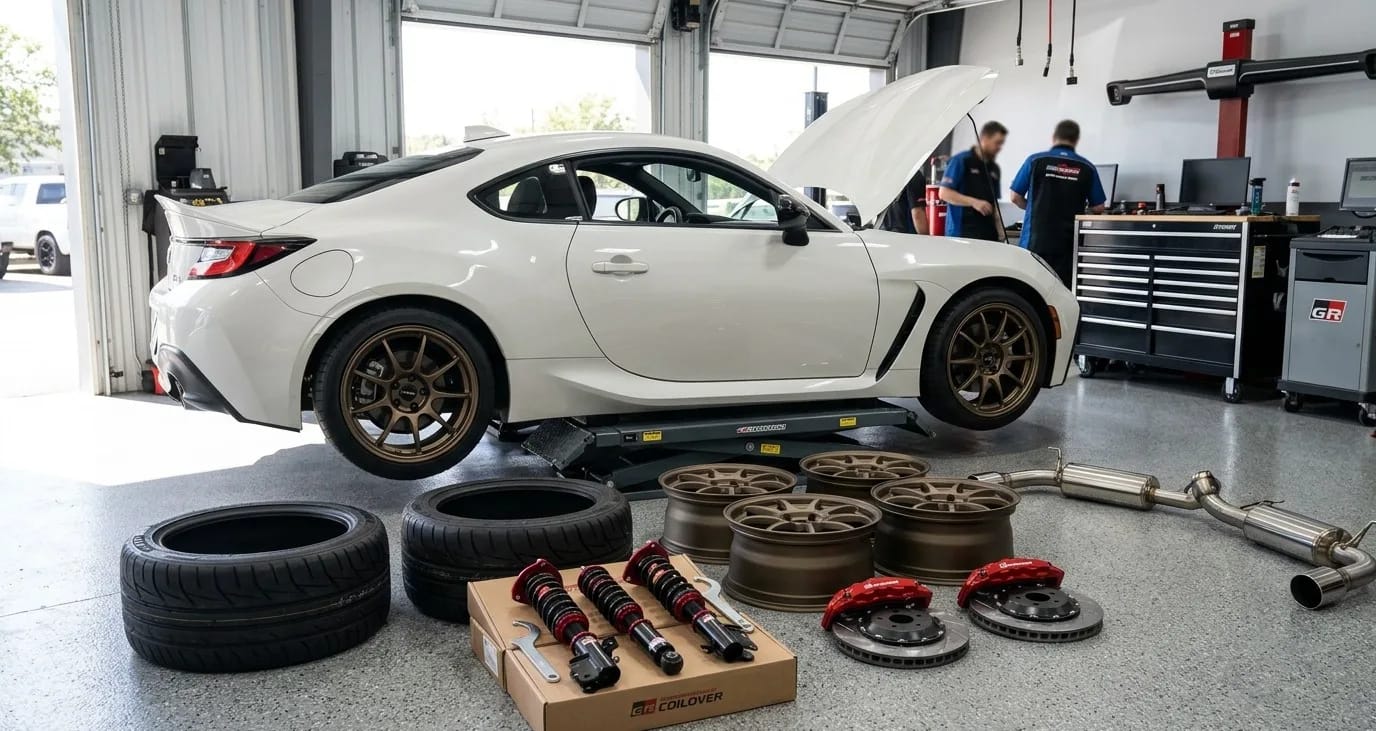
If you drive a 200,000-mile sports sedan and think it feels "old," you are usually feeling dead rubber, not a tired chassis. Control arm bushings, subframe mounts, tie rod ends, ball joints, and dampers degrade so slowly that owners adapt to the slop without realizing how bad it got.
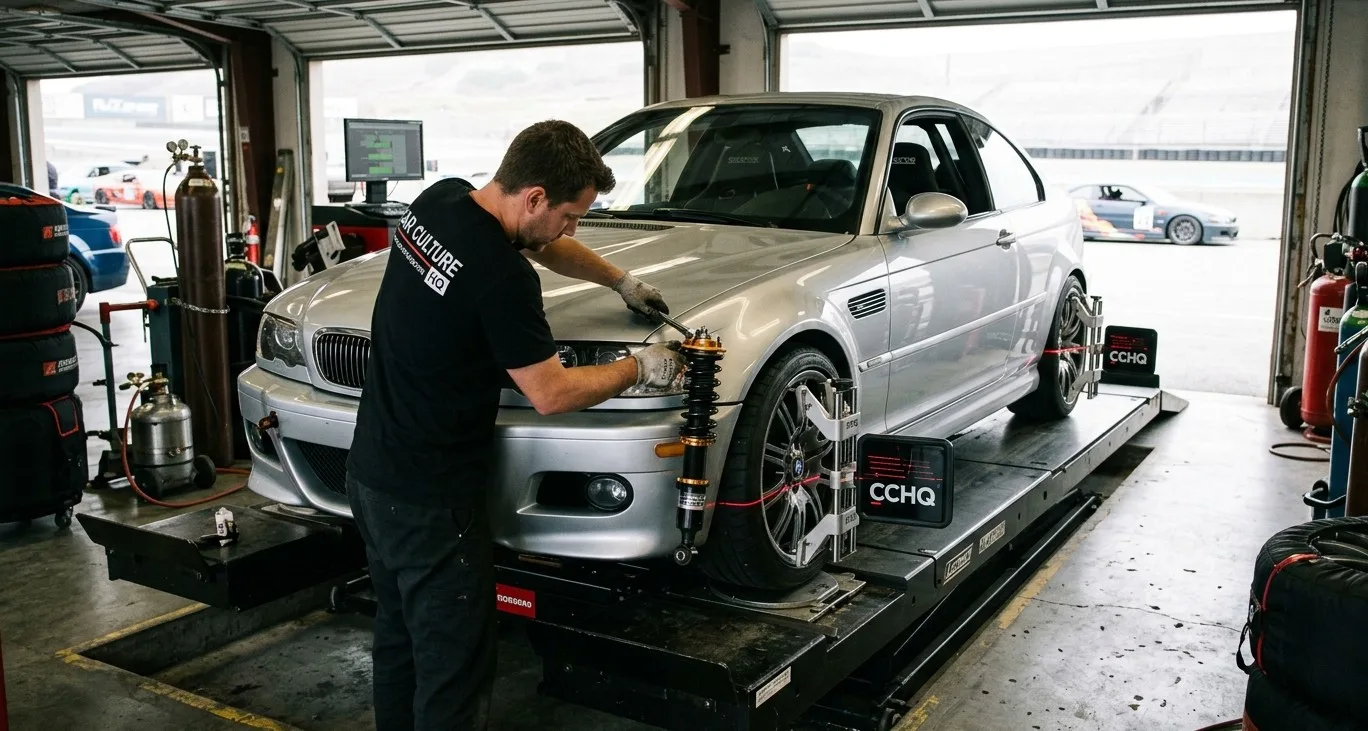
Replacing worn suspension bushings with fresh OEM rubber or street-grade polyurethane brings back the exact steering feedback that made the car famous when it was new. Pair that with fresh dampers and a proper four-wheel alignment, and the car suddenly feels eager to turn in again.
3. Group Repairs by Labor Overlap
The secret to affording a high-mileage build without draining your savings is smart job batching. Whenever you tear into a tight area of the car, replace every wear item you have to touch along the way.
If You Are Already Replacing... | Replace These at the Same Time | Why It Saves You Money and Time |
Timing belt or timing chain guides | Water pump, tensioners, idler pulleys, front crank seal | The front of the engine is already torn down; labor overlap is nearly 100 percent. |
Clutch disc and pressure plate | Throw-out bearing, pilot bearing, rear main seal, clutch fork pivot | Dropping a transmission twice for a $25 seal is a painful mistake. |
Radiator or thermostat | Upper/lower hoses, expansion tank, temp sensors, fan clutch or switch | Prevents a secondary leak from overheating a fresh cooling system. |
Front struts or coilovers | Top hats, bump stops, sway bar end links, lower ball joints | Saves paying for a second four-wheel alignment six months later. |
How to Diagnose Issues Before They Strand You
Veteran high-mileage owners rarely get surprised by breakdowns because they pay attention to early warning signs. You do not need a dealership diagnostic suite to stay ahead of wear.
Send an oil sample to a lab once a year. A $35 used oil analysis tracks microscopic levels of bearing metals, coolant contamination, and fuel dilution. It gives you hard data on internal engine health long before a knock develops.
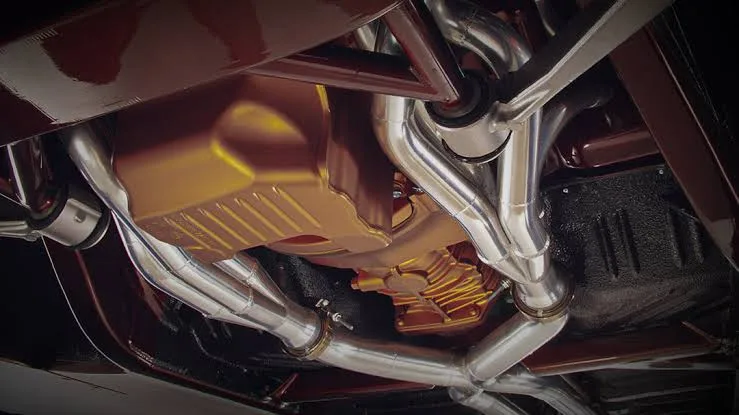
Inspect the underside during every oil change. Bring a bright flashlight while the car is in the air. Look for dampness around valve cover gaskets, torn CV axle boots, leaking rack boots, and hairline cracks in accessory belts.
Listen for pitch changes, not just loud bangs. A faint hum that changes volume when you load the wheel in a sweep points to a wheel bearing. A dull clunk over sharp speed bumps usually traces back to sway bar end links or strut mounts.
Carry a compact roadside kit. Keep a basic metric or SAE socket roll, zip ties, a spare main relay or fuel pump relay (if your platform has a known weak spot), a quart of your specific oil, and a compact OBD-II reader in the trunk.
Why Documentation Protects Your Investment
There is one major downside to owning a high-mileage enthusiast car: convincing anyone else that you actually took care of it.
A thick folder of faded thermal-paper parts store receipts shoved in the glovebox helps, but receipts fade and loose papers get lost. If you ever decide to sell the car, file an agreed-value insurance claim, or hand the keys to a specialty shop for alignment tuning, disorganized history costs you real money.
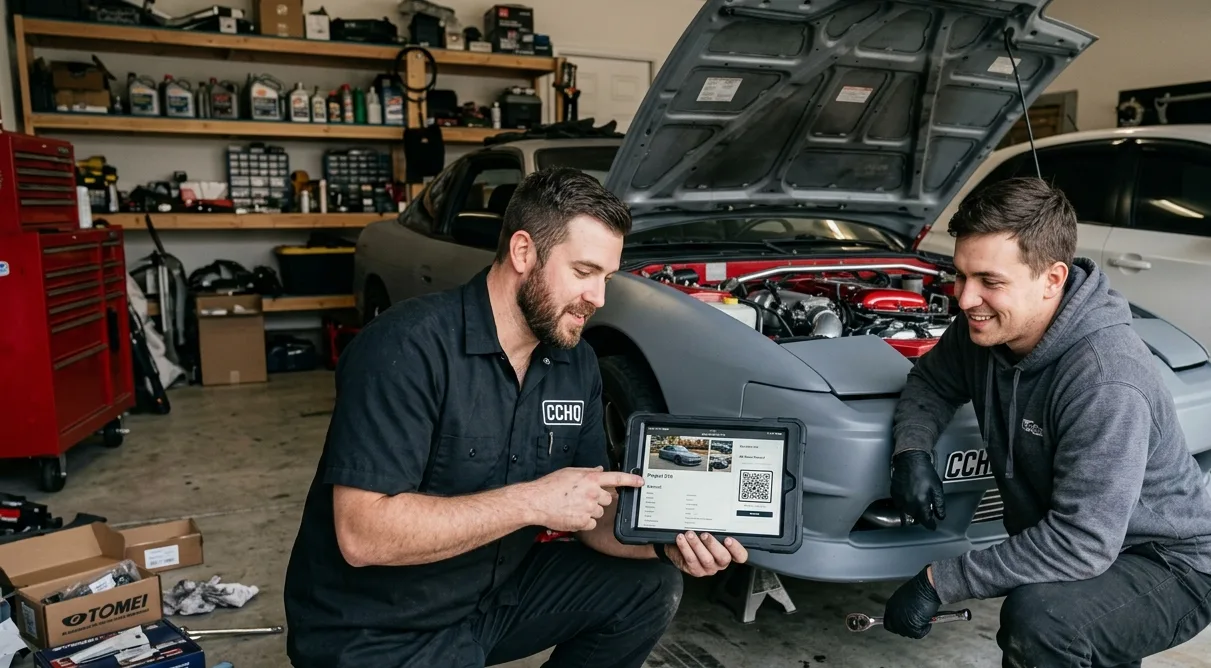
Serious builders are moving away from scattered notes and buried social media posts toward permanent, structured records. On Car Culture HQ, you can log every service interval, part number, alignment spec, and modification in a dedicated digital garage tied directly to your vehicle.
When a prospective buyer or fellow enthusiast can pull up a chronological timeline showing that the timing service, cooling overhaul, and subframe bushings were completed 12,000 miles ago with OEM parts, the odometer reading stops being a red flag. It becomes proof of stewardship.
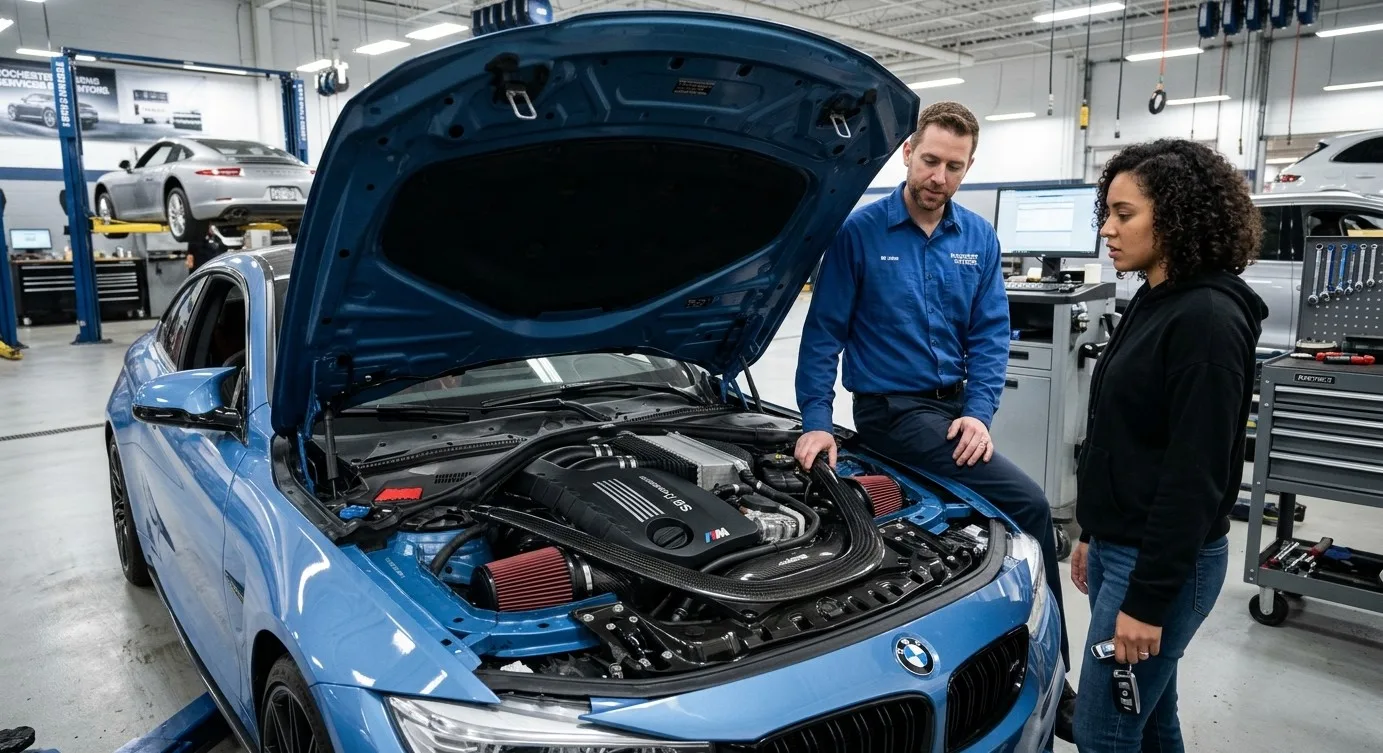
If you are planning a major refresh or hunting for a trusted specialist to handle machine work or fabrication, check local shop listings and connect with builders who know your specific chassis. Good advice from someone who has already solved your exact problem is worth more than any forum guesswork.
Keep Driving the Wheels Off It
Cars were built to cover ground, not sit under dust covers waiting for a hypothetical collector market that may never show up. A 200,000-mile sports car with fresh bushings, a tight cooling system, and a complete maintenance log carries a character that a brand-new lease simply cannot match. Every scratch on the front lip and every entry in the service record tells a story you earned behind the wheel.
Baseline the fluids, fix the rubber, log the work, and keep adding miles.
Join CarCultureHQ
Claim your free digital garage
Build your ride profile, log modifications, join a crew, and get your build in front of thousands of enthusiasts.
Create your free garageFrequently asked questions
Is 200,000 miles too high for a used enthusiast or sports car?
Not if the car has documented maintenance. At 200,000 miles, condition and service history matter far more than the odometer number. A well-maintained high-mileage car with replaced cooling components and fresh suspension bushings is often a safer buy than a low-mileage car with twenty-year-old original rubber and deferred service.
What should I replace first on a high-mileage project car?
Start with safety and heat management. Flush all drivetrain and brake fluids, inspect brake pads and lines, overhaul aging cooling system components (radiator, water pump, thermostat, hoses), and check tires for dry rot before spending money on performance upgrades.
How often should I change the oil in an engine with over 200,000 miles?
Stick to a 3,500-to-5,000-mile interval using high-quality synthetic oil that meets your manufacturer's viscosity and spec requirements. Shorter intervals help manage fuel dilution and blow-by common in higher-mileage cylinders, and periodic used oil analysis can confirm if your interval is working.
How do I prove maintenance history if I ever sell a high-mileage car?
Keep an organized digital build and maintenance log that records the date, mileage, part numbers, and photos of major repairs alongside your parts invoices. Having a clean, chronological digital record builds immediate trust with enthusiast buyers and appraisers.

Comments
Join the conversation on Past 200,000 Miles: How to Keep a High-Mileage Enthusiast Car Dialed In. Keep it civil — admins moderate reports.
Loading comments…