Dealerships and Voided Warranties: What You Can and Cannot Modify
Written and reviewed by the CarCultureHQ Editorial Team. See our Editorial Policy for sourcing and corrections.
Estimated Read Time: 9 minutes
Summary: You want to modify your new daily driver, but the dealership says they'll void your warranty if you install anything, from lowering springs to an exhaust. The reality is far more complex than that blanket threat. This article skips the forum fear-mongering for the real garage-floor truth about car modifications and warranty risks, how dealership service departments work, and what you can legally get away with modifying.
The Garage Discussion You Need to Have
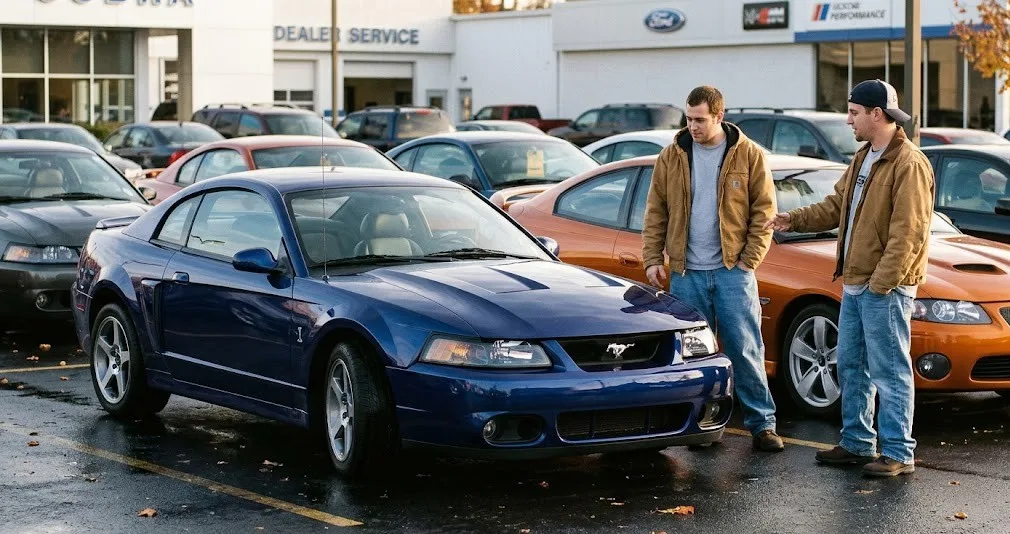
You know the conversation. You’re at a park and chill, looking at a clean performance sedan that’s clearly been lowered, has an exhaust that wakes up the neighbors, and is sitting on expensive custom wheels. You say something about how much you want to un-stock your own daily driver, but then you say the line: "I just can't risk voiding the warranty."
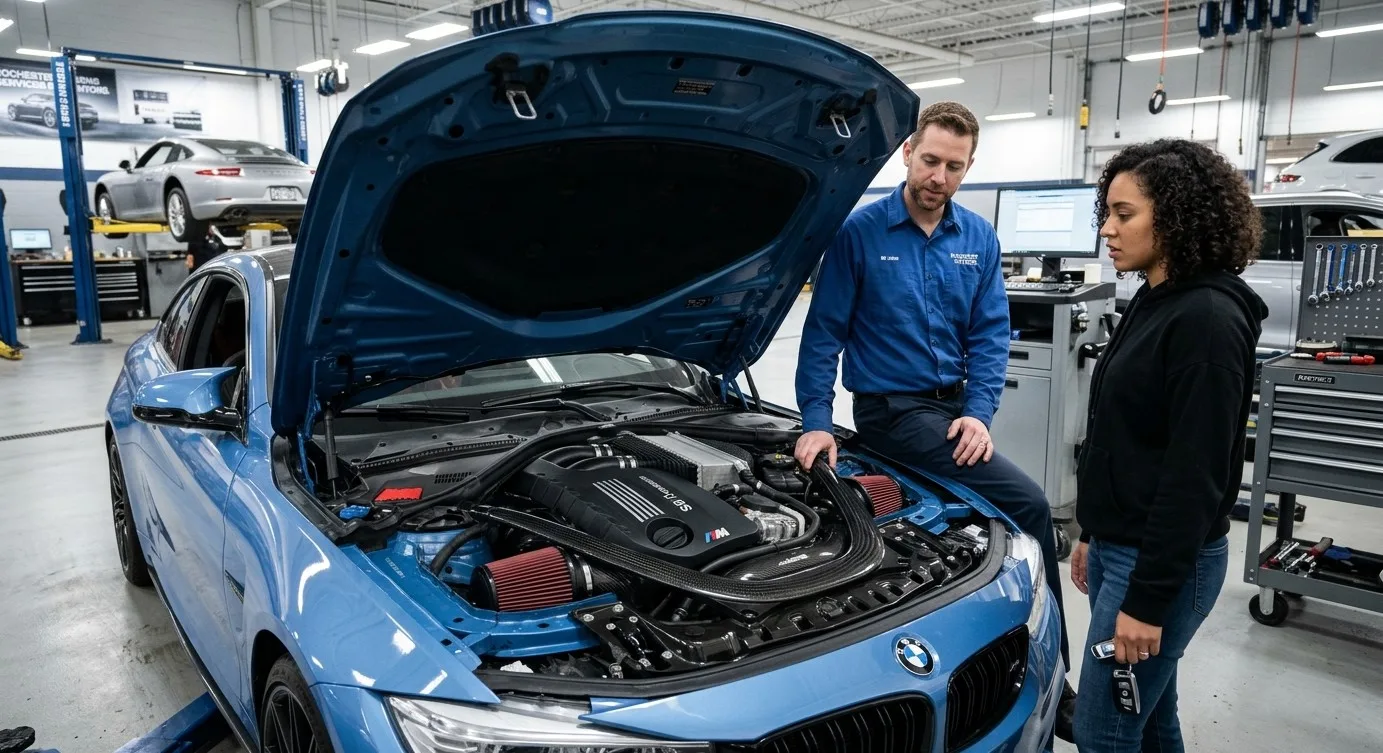
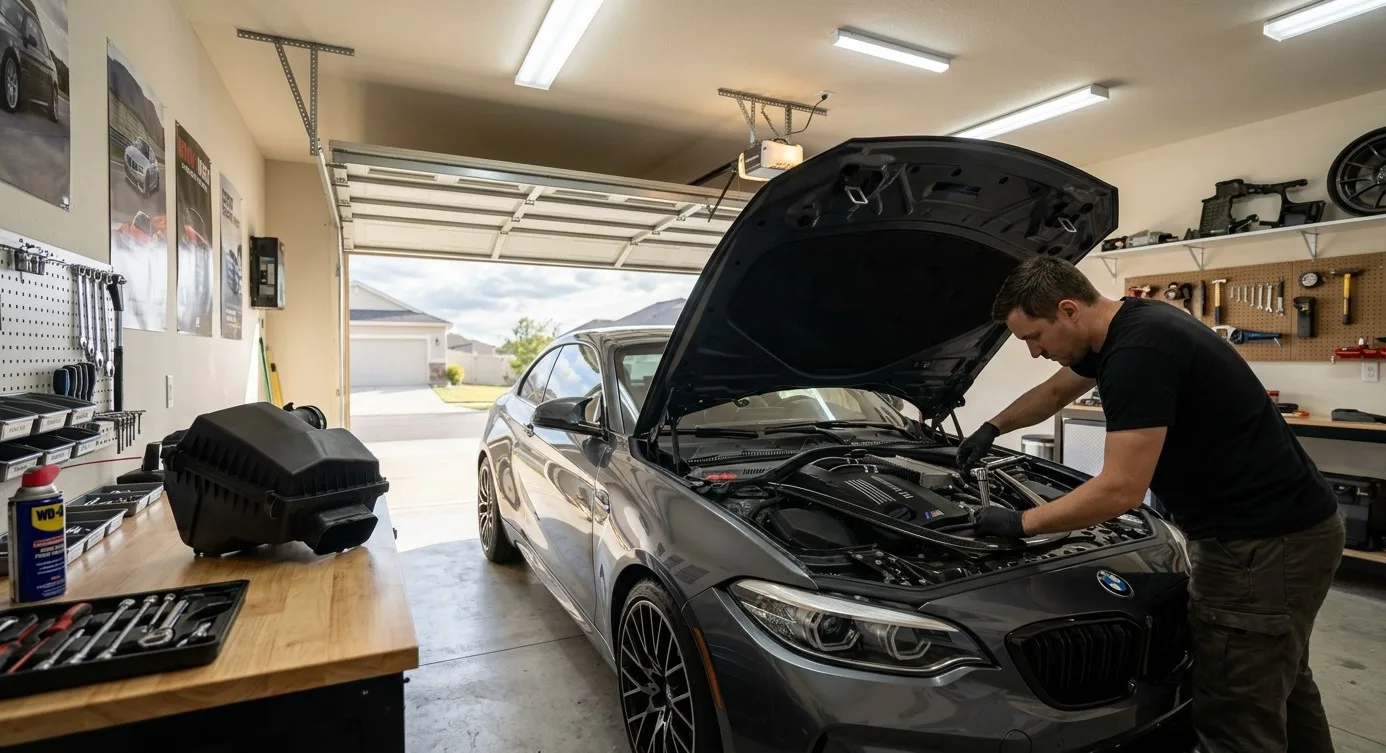
It's time to unlearn that fear. We've unboxed aftermarket parts and installed them on new cars that still had dealer plastic on the seats. We have had dealership service advisors give us "the look" when we rolled in for a free oil change with coilovers and a catch can. We have seen the Magnuson-Moss Act used successfully, and we have seen people get crushed by a powertrain warranty denial because they tuned their ECU and then blew up their differential.
The threat of a "voided warranty" is the most common tool of compliance in the dealership arsenal. They want you compliant, driving a bone-stock car with factory oil, and paying them for simple maintenance. But the truth about car modifications and warranty risks isn't black and white. It is a calculated spectrum of risk management.
Join CarCultureHQ
Claim your free digital garage
Build your ride profile, log modifications, join a crew, and get your build in front of thousands of enthusiasts.
Create your free garageThe Legal Truth: What the Magnusson-Moss Act Actually Says
Before you put a single socket wrench on a factory bolt, you need to understand the only thing protecting you. The Magnuson-Moss Warranty Act, passed in 1975, is a United States federal law that dictates what manufacturers can and cannot do when it comes to aftermarket parts and warranties.
Here is the essential breakdown of how it applies to your car modification journey:
Blanket Voiding is Illegal
A manufacturer (like BMW, Ford, or Toyota Financial) cannot legally "void your entire warranty" just because an aftermarket part is installed. Your warranty is not a magical energy shield that blinks out of existence the moment you install lowering springs. If you install coilovers and your infotainment system breaks six months later, they cannot deny that electrical repair because you modified the suspension. There is zero connection.
The Burden of Proof is on the Dealer
To deny warranty coverage for a specific repair, the dealership must establish a clear causal link. They must prove that your modification directly caused or contributed to the failure.
The Intake Example: If you install a prominent aftermarket cold air intake and your engine throws a code for the Mass Airflow (MAF) sensor, the dealer can logically argue that the different air intake geometry ( Point A ) caused the sensor failure. Warranty coverage for that specific MAF sensor repair is denied.
The Transmission Example: However, if you have that same intake and your transmission differential develops a mechanical failure, they cannot legally deny the diff repair because of the intake. An air intake does not physically cause a differential gear set to explode.
The Reality Check: Dealership Economics vs. Customer Physics
Just because the law is on your side does not mean the discussion with the service advisor is going to be easy. Service departments are businesses, and they have very specific financial incentives.
The "Flags" and Diagnostic Paper Trail
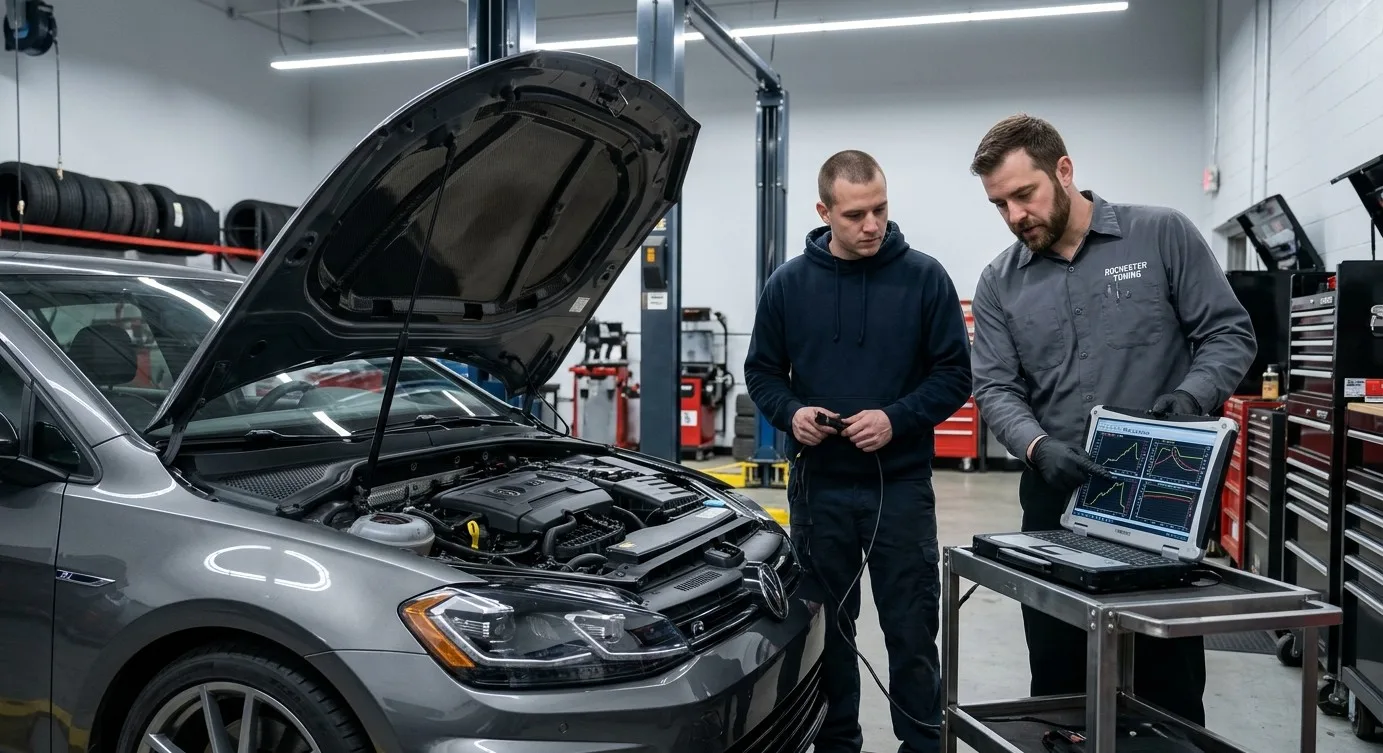
Modern cars and their ECUs are incredibly detailed data loggers. The moment you flash your ECU with a "stage 1" tune, you are over-writing the factory programming. Even if you "flash it back to stock" before bringing the car in, the diagnostic software (such as BMW's ISTA or VAG's ODIS) can instantly detect the flash counter difference or residual data "fingerprints."
This triggers an automatic TD1 flag. Once that flag is applied to your VIN in the manufacturer’s central server, your entire powertrain warranty (engine, turbo, transmission, differentials) is functionally finished for anything except catastrophic factory assembly failures (like a batch of bad rod bearings that affected stock cars). It doesn't matter what your state's customer protection laws say; once the manufacturer sees a modified ECU, they will deny any significant drivetrain repair, knowing you likely cannot afford the legal cost to prove they are wrong.
High-Risk vs. Low-Risk Car Modifications and Warranty Standing
Your modifications fall onto a clear risk continuum. Here is a practical framework to manage your garage budget and your dealer risk.
Risk Level | Common Modification Examples | Effect on Warranty Status | Decision Criteria |
Zero to Low Risk | Window tint, aftermarket audio, cosmetic vinyl wrap, aftermarket wheels (provided they are OEM spec size/offset). | Functionally zero risk. The only parts affected are the specific OEM parts removed (stock wheels, radio, etc.). | Install with zero concern. Just keep original wheels/parts safely stored in the garage. |
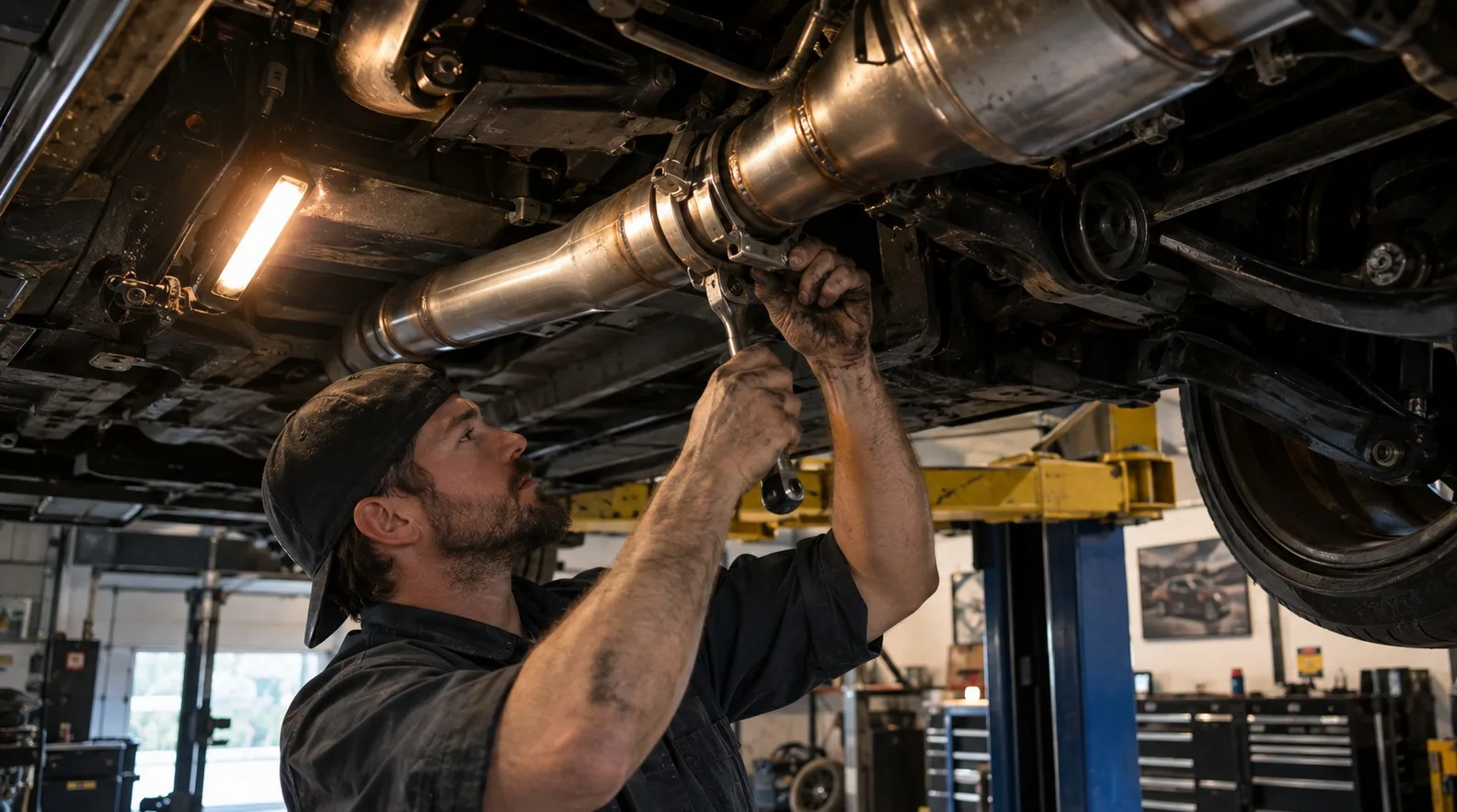
Low to Moderate Risk | High-quality cat-back exhaust, lowering springs (minor drop, quality brand), catch can (properly installed). | Low risk for overall chassis. A cat-back exhaust almost never causes engine failure. Lowering springs do increase wear on OEM shocks, which will be denied coverage if they fail prematurely. | Proceed with caution. Save the factory exhaust and springs just in case you need to revert the car to stock before service. |
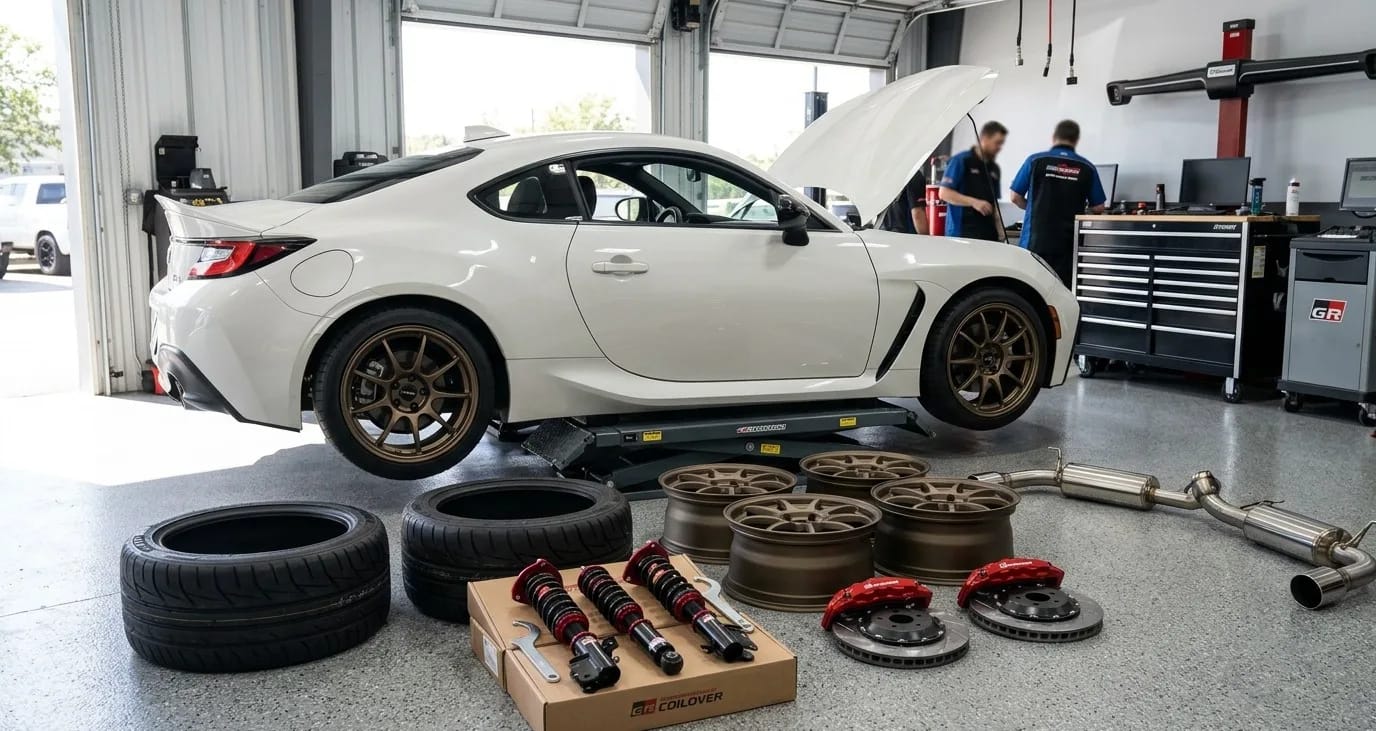
High Risk | ECU Flash Tuning (detectable even if reverted), aftermarket turbos, aggressive coilover setups (major geometry change), engine swaps. | Functionally voids powertrain warranty. This is the definitive red line. The second you tune, you accept full financial responsibility for any internal engine or transmission failure. | Only attempt if you are fully prepared to pay for a new engine or transmission out of pocket. |
How to Work With Your Service Advisor (and Survive Denials)
The secret weapon in the car community isn't the Magnuson-Moss Act; it’s a good relationship with your local service advisor. These people get paid on commission based on "labor hours booked" and parts sold. They want to help you, because doing warranty work (which the manufacturer pays for) still books labor hours for their department.
Be Transparent (With Reason): Do not hide obvious modifications. If you roll in with coilovers, the service advisor will see them immediately. Trying to obscure that makes them hostile.
Establish Rapport Early: Be polite, know your vehicle's service history, and establish a history of paying for non-warranty maintenance (like brake flushes or cabin filters) at their dealership before you need major warranty help.
Find the "Mod-Friendly" Dealership: Every major enthusiast platform (JDM, Euro, muscle) has local forum threads dedicated to tracking "mod-friendly" local dealers versus "zero-tolerance" dealers. Find the former.
If You Face a Denial: Stay organized. Request a detailed, written diagnosis explaining why they believe the mod caused the failure. Do not engage in an emotional argument in the lobby. Take that written denial and use your documentation to prepare your case.
The Garage Verdict: Modifications are a Calculated Risk
Modifying your daily driver doesn't automatically delete your warranty protection. Don't let forum doom-scrolling and dealership threats keep your car stock. But you cannot be naive about it, either. Installing a lowering spring ( Moderate Risk ) might slightly shorten the life of your OEM shocks, but that’s a minor financial trade-off. Flashing your ECU ( High Risk ) is a massive financial commitment where you must accept responsibility for the entire powertrain.
A "voided warranty" is not a catastrophic event; it is a calculated mechanical physics discussion between you and your dealership. Understand Magnuson-Moss, know where the red lines are, buy quality parts, maintain that service advisor relationship, and you can un-stock your daily driver while managing the risk responsibly. It's time to build your perfect chassis, not just talk about it.
Join CarCultureHQ
Claim your free digital garage
Build your ride profile, log modifications, join a crew, and get your build in front of thousands of enthusiasts.
Create your free garageFrequently asked questions
Can a dealership deny warranty coverage for maintenance done outside the dealer?
No. This is explicitly protected under Magnuson-Moss. You have the legal right to change your own oil, use aftermarket oil filters, or pay an independent mechanic for routine service. However, you must maintain meticulous records (receipts, timestamps, fluid specs) to prove this maintenance occurred. If you claim an engine failure and cannot prove you did the required oil changes on time, your powertrain warranty claim will be denied due to neglect, not modifications.
What should I do if my dealership denies a warranty claim for coilovers causing an entertainment system problem?
Be professional and point out the obvious lack of connection. Ask the service manager to provide, in writing, how they physically believe the suspension modification caused an electrical failure in the dashboard. If they cannot or will not, you have clear grounds to escalate. This specific scenario is the core of Magnuson-Moss protection.
Are all "ECU flashes" detectable by the dealership?
Yes, functional all of them. Modern ECUs use advanced checksums, flash counters, and parameter logging that record maximum boost, ignition timing, and even top speed reached. While some tuning companies claim their "flash to stock" process is invisible, specialized dealership diagnostic tools (not generic OBDII scanners) can trace residual data flags, flash count discrepancies, or parameter spikes that only a modified car could reach.
If I buy a car that was already modified, do I inherit the warranty issues?
Yes. Manufacturer warranties are attached to the vehicle's VIN, not the owner. If the previous owner flashed the ECU, that TD1 flag is now associated with the vehicle. If you buy a used modified car, you are accepting whatever geometry changes or powertrain stress the previous owner introduced. Always perform a Pre-Purchase Inspection (PPI) and ask a friendly advisor to run the VIN for any TD1 history before committing.
Comments
Join the conversation on Dealerships and Voided Warranties: What You Can and Cannot Modify. Keep it civil — admins moderate reports.
Loading comments…