Modifying a Leased Car: What You Can Realistically Get Away With
Written and reviewed by the CarCultureHQ Editorial Team. See our Editorial Policy for sourcing and corrections.

Estimated Read Time: 8 minutes
Summary: Want to mod your daily driver but don't actually own the title? Modifying a leased car isn't strictly impossible, but doing it blindly will cost you thousands at turn-in. Here is the practical guide to what dealership inspectors look for, what bolt-ons are safe, and how to enjoy aftermarket upgrades without getting hammered by end-of-lease penalties.
The Reality of Modifying a Leased Car
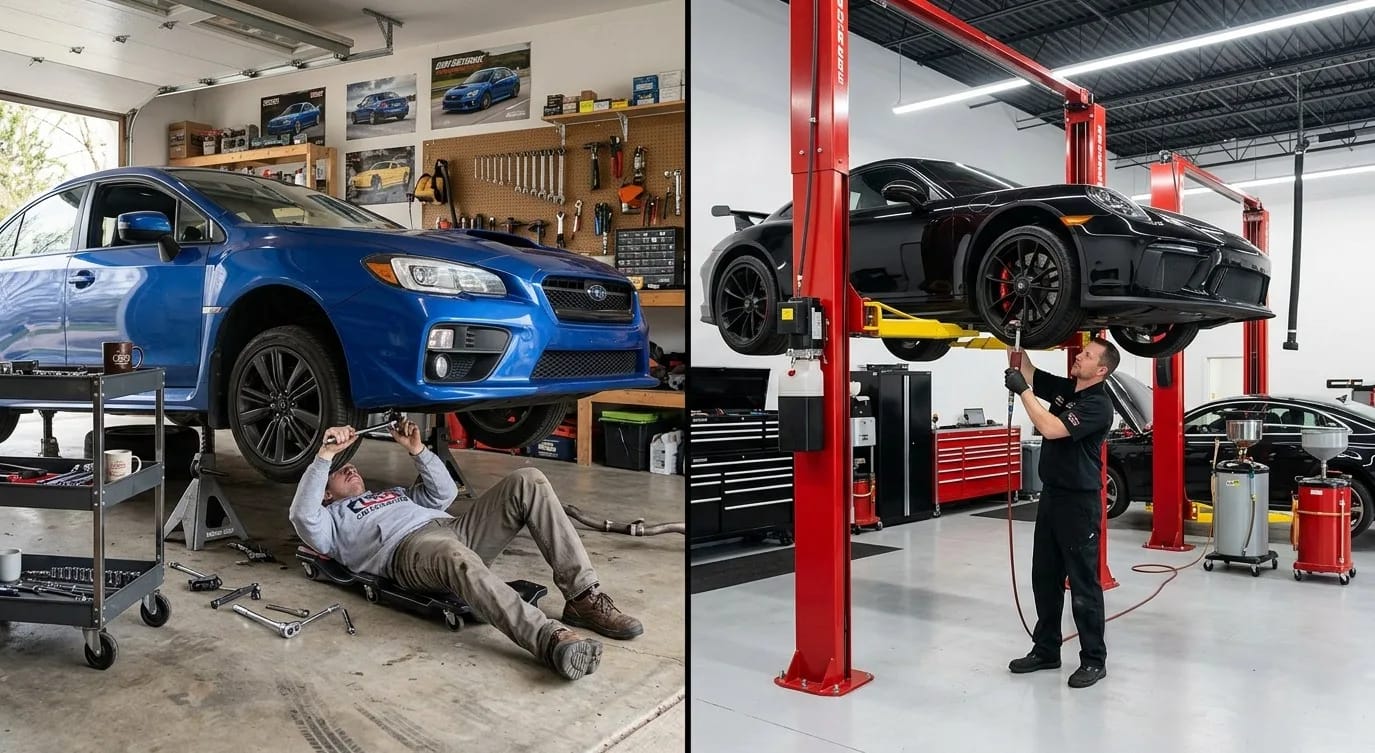
Here is the truth that most forums won't tell you directly: modifying a leased car happens every single day. Go to any weekend park-and-chill or track morning and half the late-model performance cars parked in a row are sitting on three-year financial leases.
The people who succeed at this have a system. The people who get crushed are the ones who treat a leased car like a $500 project chassis they own free and clear.
When you sign a lease, you are agreeing to pay for the vehicle's projected depreciation over 24 to 36 months. The finance arm (whether it is BMW Financial Services, Audi Financial Services, or Toyota Financial) expects that vehicle back in a condition that can be certified and resold to the next buyer. Any permanent change that degrades the car's market value or violates its factory warranty comes straight out of your deposit or shows up as a line-item bill after turn-in.
Does that mean you have to drive a completely bone-stock car for three years? Not necessarily. But you need to know where the guardrails are before you put a single wrench on a factory bolt.
Join CarCultureHQ
Claim your free digital garage
Build your ride profile, log modifications, join a crew, and get your build in front of thousands of enthusiasts.
Create your free garageThe Lease Modification Decision Matrix
Modification Type | Reversibility Level | Dealership Risk Profile |
|---|---|---|
Wheels & Tires | High (Keep OEM set) | Zero risk if swapped back |
Safe Modifications: What You Can Do Without Getting Burned
If you want to personalize your daily driver without starting a war with the dealership inspector three years down the line, stick to modifications that leave zero footprint once removed.
1. Aftermarket Wheels and Tires
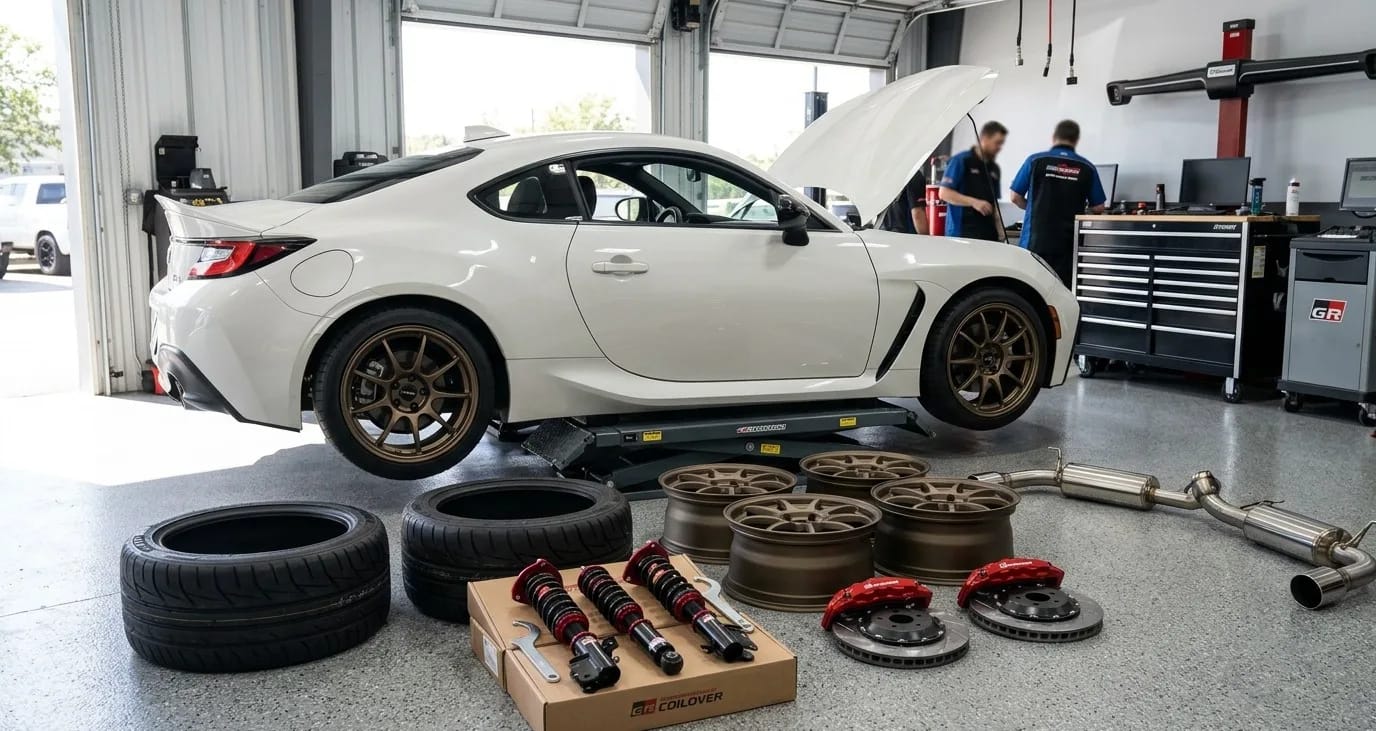
This is the easiest upgrade on the market. Swapping out heavy factory wheels for lighter, wider aftermarket options dramatically changes both look and handling dynamics.
The Rule: Keep your original factory wheels and tires stored indoors. Do not sell them on Facebook Marketplace to fund your new setup.
The Turn-In Plan: Three months before your lease contract ends, bolt the original factory wheels back on. Make sure the original tires have enough tread depth to meet the lease agreement guidelines (usually a minimum of 4/32 inches of tread depth across all four tires).
2. High-Quality Cat-Back Exhaust Systems
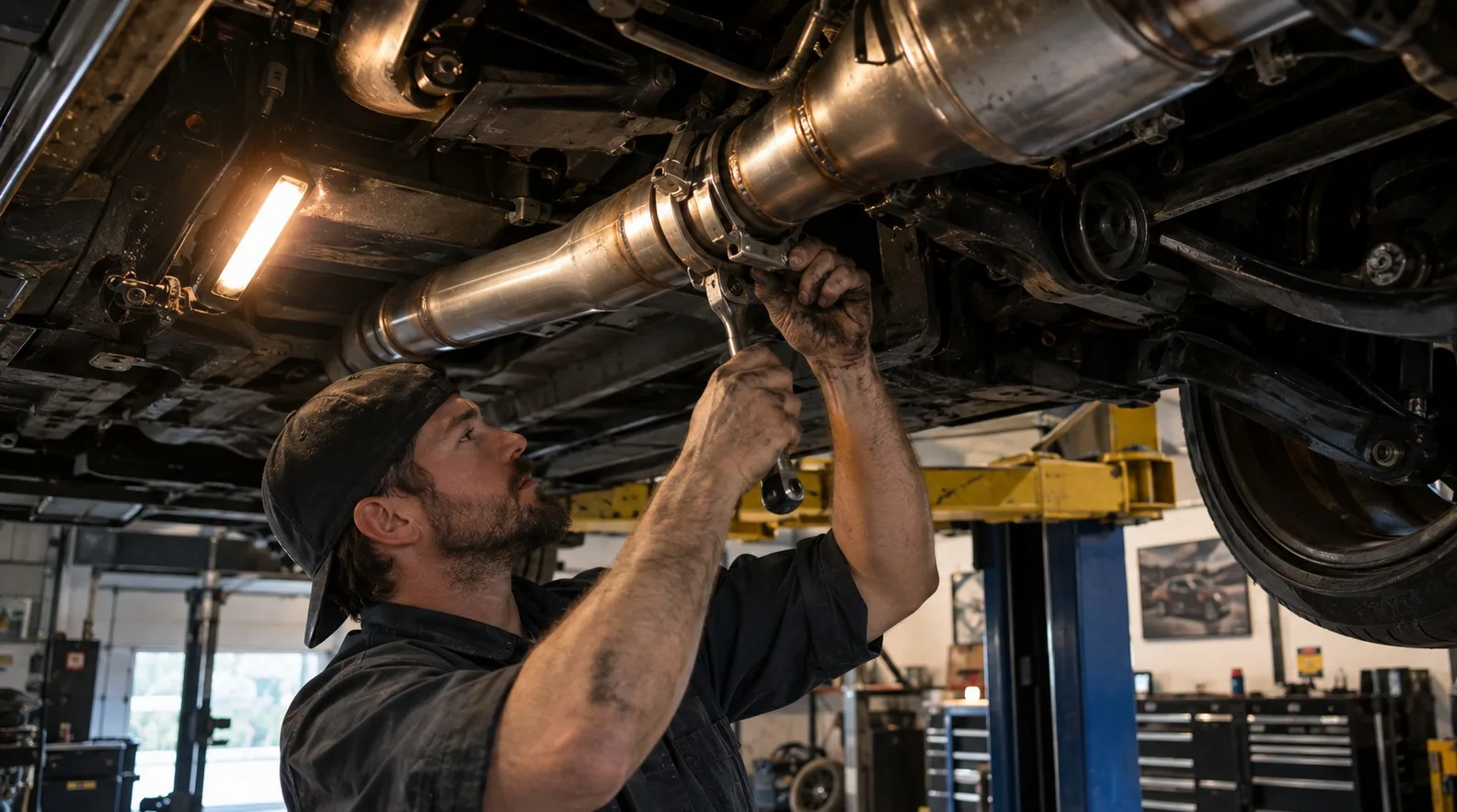
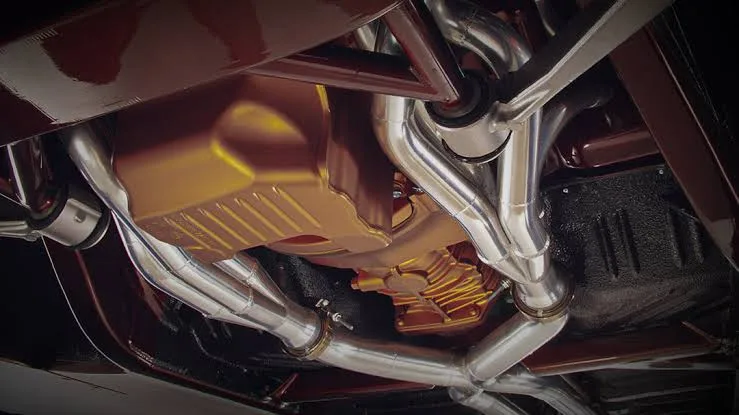
A proper cat-back exhaust mounts cleanly to factory hangers behind the catalytic converters. Because it leaves emissions systems untouched, it rarely triggers check engine lights or factory warranty disputes during routine oil changes.
3. Reversible Cosmetic Wraps and PPF
Vinyl wraps and Paint Protection Film (PPF) protect factory paint from road debris and gravel chips. If applied correctly over clean factory clear coat, wrap materials can actually preserve the exterior finish.
The Catch: Cheap wrap material left under hot sun for three years can bake into clear coat, making removal a nightmare that pulls factory paint right off plastic bumpers. Invest in tier-one film brands and budget for professional removal before turn-in.
High-Risk Modifications: What Will Cost You Money
Some modifications look tempting on paper but carry massive financial downsides when you hand the keys back to the dealership.
1. ECU Reflashes and Engine Tuning
Modern engine control units log everything. Even if you reflash your ECU back to the stock map on your driveway before bringing the car in for service, dealership diagnostic software (like BMW's ISTA or Audi's ODIS) tracks key flags:
TD1 Warranty Codes: Dealership systems automatically flag vehicles with modified ECU software when connected to central factory servers.
Flash Counters: Most modern ECUs register how many times software updates have been flashed to the board. If the count exceeds factory service records, your powertrain warranty is instantly flagged.
If an engine or transmission component fails while you are running an aggressive tune on a leased car, you are personally on the hook for a replacement engine assembly running anywhere from $8,000 to $20,000.
2. Cutting, Drilling, or Rolling Fenders
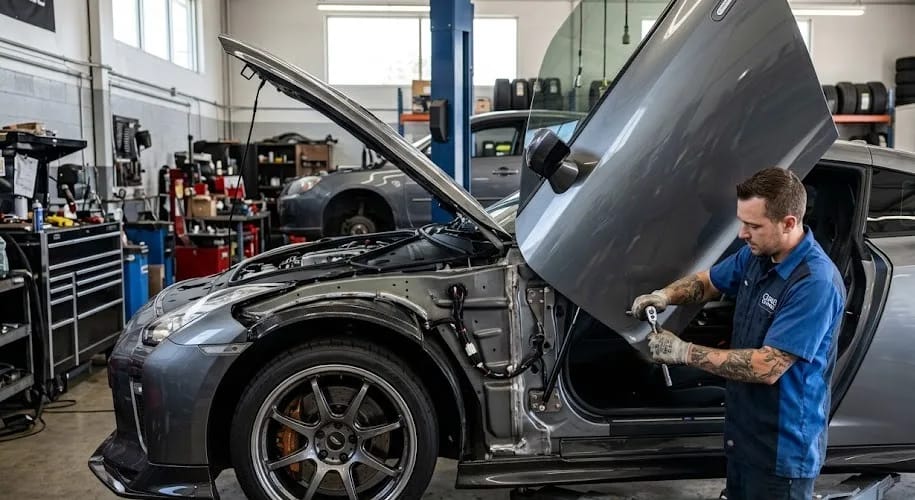
The moment you drill holes into a trunk lid to mount a GT wing or roll fender lips to clear overly aggressive wheel fitment, you destroy the structural panels of the chassis.
Dealership inspectors check panel edges with paint depth gauges and look under wheel arches for cracked seam sealer. Repairing rolled fenders or filling drilled holes means replacing full body panels or paying bodyshop labor costs out of pocket at turn-in.
The OEM Storage Framework: Protecting Your Investment
If you decide to install reversible parts, your garage organization strategy matters just as much as your mechanical skills.
Tag and Bag Every Single Bolt: Never throw factory hardware into a generic junk drawer. Put OEM bolts, brackets, and sensors inside sealed zip-bags, label them clearly with a permanent marker, and tape them to the corresponding OEM part.
Protect OEM Finishes: Store stock exhaust systems, airboxes, and suspension components in a dry space off concrete floors. Rust or moisture damage on factory gear while sitting in a damp basement makes reinstallation messy.
How to Handle Lease Return Without Surprises
The end-of-lease process doesn't have to be nerve-wracking if you follow a structured timeline instead of scrambling at the last minute.
The 90-Day Unmodding Timeline
90 Days Out: Schedule your pre-inspection appointment with the lease company's third-party inspection agency (such as AutoVIN). This gives you an accurate list of any existing wear-and-tear items before you start unmodding.
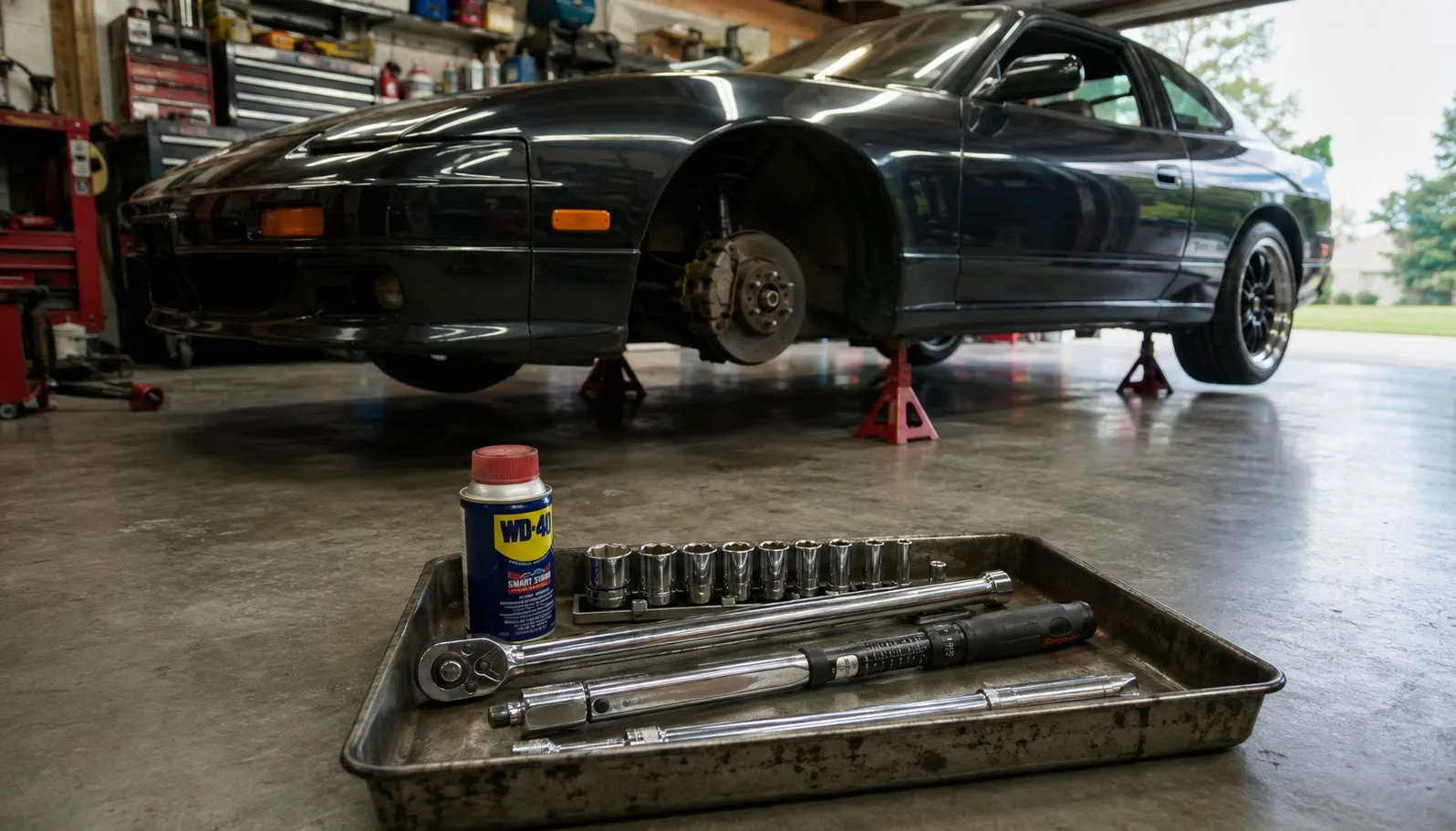
60 Days Out: Begin pulling off aftermarket intake systems, exhausts, and aftermarket wheels in your garage or shop. Reinstall every factory component cleanly using original torque specs.
30 Days Out: Clean the vehicle thoroughly inside and out. Ensure there are no check engine lights, zero abnormal suspension noises, and that all factory trim clips are back in place.
15 Days Out: Complete your final dealership walk-around. Take high-resolution photos of every panel, tire tread depth gauge reading, and interior section before handing over the keys.
Join CarCultureHQ
Claim your free digital garage
Build your ride profile, log modifications, join a crew, and get your build in front of thousands of enthusiasts.
Create your free garageFrequently asked questions
Will modifying my leased car immediately void the whole warranty?
No. Under laws like the Magnuson-Moss Warranty Act, a manufacturer cannot void your entire vehicle warranty simply because an aftermarket part is installed. However, if an aftermarket part directly causes a failure (for example, an aggressive lowering kit blowing out factory shocks or an aftermarket tune causing a lean cylinder misfire), the dealer will deny warranty coverage for that specific repair.
What happens if I return a leased car with modifications still installed?
The dealership will either charge you the full cost to restore the vehicle back to stock factory condition using brand-new OEM parts and high shop-labor rates, or they will deduct the estimated lost resale value directly from your final lease statement.
Can I sell my aftermarket parts after removing them from a leased car?
Yes, and this is one of the smartest ways to offset your modification budget. Because high-quality bolt-on parts from respected manufacturers hold their value well on the second-hand market, you can often sell used exhausts, wheels, or intakes to other enthusiasts for 60 to 70 percent of what you paid originally.
Can I ask the dealership to install my aftermarket parts?
Some dealerships with performance divisions will install certain aftermarket accessories (like factory-backed performance exhaust options or approved lowering kits) without affecting your lease standing. However, independent aftermarket tuning or custom fabrication will still be flagged during official lease return inspections.
Comments
Join the conversation on Modifying a Leased Car: What You Can Realistically Get Away With. Keep it civil — admins moderate reports.
Loading comments…