The Essential Garage Tool Kit: What Home Mechanics Actually Need
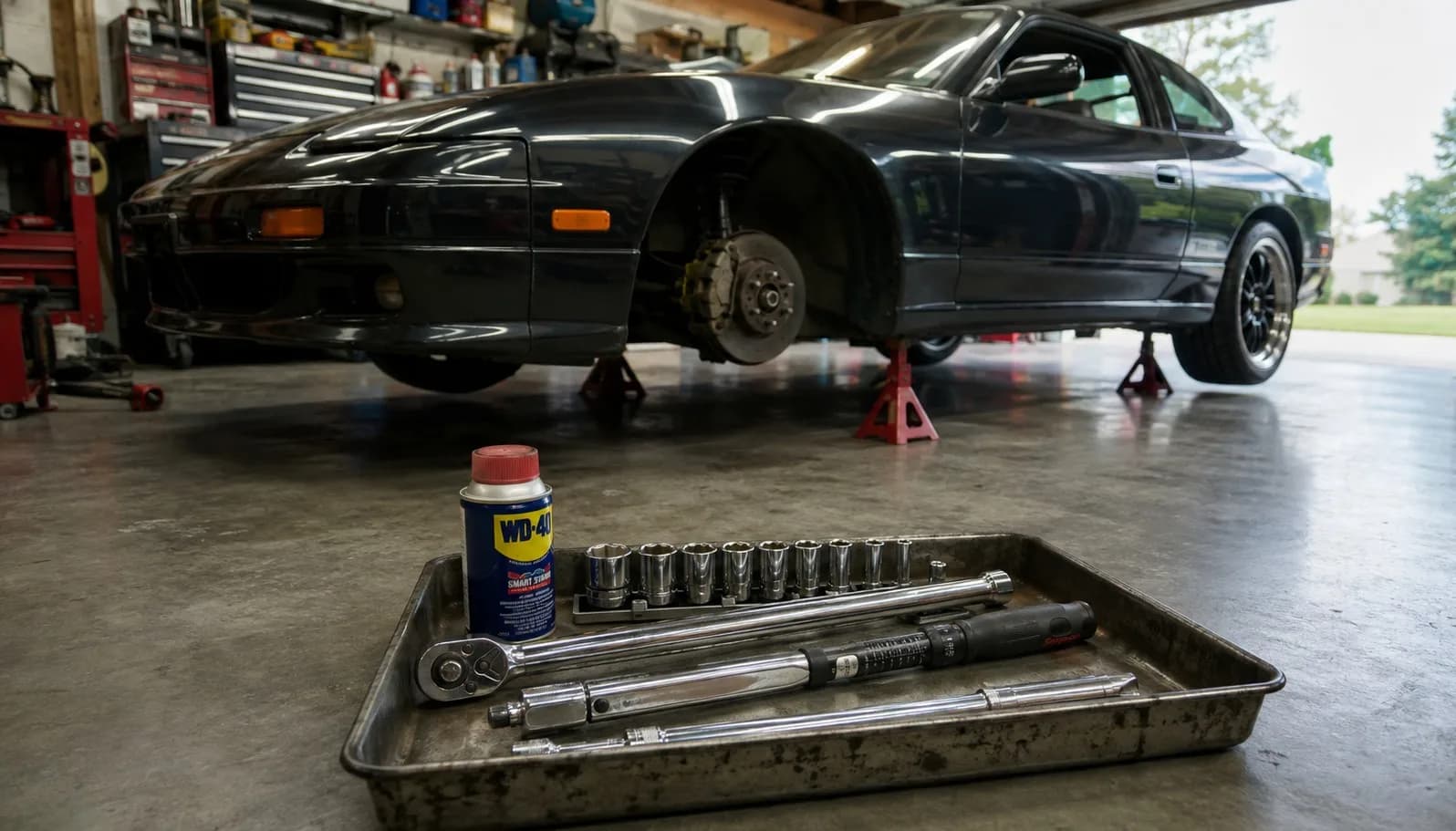
Tool trucks and tool companies love convincing garage mechanics that they need ten grand worth of chrome to do a brake job. We cut through the marketing noise to show you the core, non-negotiable tools that will handle ninety percent of real-world jobs on your project car without draining your build budget.
The Essential Tool Kit: What Every Home Mechanic Actually Needs in the Garage
Tool catalogs are dangerous. You walk in to buy an oil filter wrench and leave wondering if you need a digital borescope, a pneumatic plasma cutter, and a three-thousand-dollar rolling chest with USB ports in the handles.
Most of that stuff ends up sitting in drawers, collecting dust and overspray.
The truth is, cars are held together by the same basic hardware they have been using for decades. You can pull an entire engine, swap a suspension, and rebuild your brakes with a shockingly compact set of hand tools if you buy the right pieces from day one.
Join CarCultureHQ
Claim your free digital garage
Build your ride profile, log modifications, join a crew, and get your build in front of thousands of enthusiasts.
Create your free garageGARAGE TOOLS: ESSENTIALS VS. MONEY PITS
WHAT YOU ACTUALLY NEED FIRST | WHAT CAN WAIT FOR LATER |
|---|---|
3-ton low-profile steel floor jack | Massive multi-drawer roll cab |
Safety Hardware: Where You Never Cut Corners
Before buying a single wrench, spend money on the gear that keeps four thousand pounds of steel from dropping on your chest.
1. A Proper Low-Profile Hydraulic Floor Jack
Skip the tiny aluminum trolley jacks that come in starter kits. Buy a heavy-duty steel low-profile floor jack rated for at least three tons. It needs enough reach to hit factory subframe points and enough low clearance to slide under lowered pinch welds.
2. Serious Jack Stands
Never get under a vehicle supported by hydraulic pressure alone. Invest in two pairs of heavy-gauge, pin-locking or solid-cast ratchet stands. Look for wide base footprints that will not sink or tilt on concrete seams.
The Core Hand Tools That Do Real Work
Once the car is securely in the air, ninety percent of your tasks will be handled by a handful of tools you can carry in a twenty-dollar tool bag.
The 3/8-Inch Drive Socket Set
A good 3/8-inch drive ratchet is the workhorse of any home garage.
Stick to 6-point sockets rather than 12-point. Twelve-point sockets strip rusted fastener heads instantly.
Buy metric sets that do not skip sizes. Car makers love throwing 15mm, 16mm, and 18mm fasteners into brake and suspension assemblies.
Make sure you have deep and shallow sockets, along with a three-inch and six-inch extension.
The Half-Inch Breaker Bar
Subframe bolts, caliper brackets, and axle nuts laugh at standard ratchets. A 24-inch half-inch drive breaker bar gives you enough leverage to crack loose stubborn factory hardware without stripping ratchet gears or bloodying your knuckles.
A Click-Type Torque Wrench
Guessing wheel lug torque or caliper mounting bolt tightness will eventually bite you. A decent 1/2-inch drive clicker-style torque wrench (calibrated between 20 and 150 foot-pounds) guarantees your wheels stay attached and your aluminum brake threads do not strip out.
The Rescue Squad: For When Bolts Fight Back
Every garage project goes smoothly until one corroded exhaust nut decides to ruin your weekend. Keep these four problem solvers on your shelf:
High-grade penetrating oil: Spray it twenty minutes before turning a wrench on rusty chassis components.
A steel dead-blow hammer: Provides solid impact without marring metal suspension arms or brake rotors.
A handheld propane torch: Heat expands seized steel nuts and breaks down factory threadlocker quickly.
Pliers and pry bars: A sturdy pair of channel locks, needle-nose pliers, wire cutters, and an eighteen-inch curved pry bar will solve alignment and clearance headaches fast.
The Rule for Everything Else: Buy as You Go
Do not buy tools for hypothetical projects.
Wait until you are halfway through a repair manual and find out you need a 32mm thin-wall axle socket, a triple-square bit, or a ball-joint separator. Walk down to your local store or order that specific piece for that specific afternoon.
Within two years, your toolbox will reflect the exact cars you actually work on, and you will have thousands of extra dollars left in your bank account to spend on quality performance parts.
Frequently asked questions
What drive size should a beginner mechanic buy first?
A 3/8-inch drive ratchet and socket set is the most versatile choice. It offers the right balance of physical clearance in tight engine bays and enough torque strength to handle everything from interior brackets to brake calipers.
Is it worth buying expensive tool truck brands like Snap-on for home use?
For DIY home mechanics, high-end tool truck brands are usually an unnecessary expense. Modern mid-tier brands offer lifetime warranties and excellent durability at a fraction of the cost, leaving you more money for vehicle maintenance and upgrades.
Why should I choose 6-point sockets over 12-point sockets?
Six-point sockets contact the flat sides of a fastener head, distributing force evenly. Twelve-point sockets contact the corners, which easily rounds off rusty, tight, or soft factory bolts.
What is the most dangerous tool shortcut in a home garage?
Working underneath a vehicle supported only by a hydraulic floor jack. Hydraulic seals can fail without warning. Always lower the car onto properly placed jack stands before putting any part of your body underneath the chassis.
Comments
Join the conversation on The Essential Garage Tool Kit: What Home Mechanics Actually Need. Keep it civil — admins moderate reports.
Loading comments…