How to Sell a Custom Build Without Getting Lowballed
Written and reviewed by the CarCultureHQ Editorial Team. See our Editorial Policy for sourcing and corrections.
Estimated Reading Time: 8 minutes
Summary: Selling a high end modified car or custom build requires a completely different strategy than flipping a stock commuter car. Most private sellers fail because they write vague descriptions, hide mechanical history, or expect buyers to pay full retail for every single receipt. This guide lays out a practical framework to position your build, document your work, filter out tire-kickers, and land serious money from buyers who actually appreciate what you built.
Stop Treating an Enthusiast Sale Like a Classified Ad
If you list a custom build with five blurry driveway photos and a caption that says "too much to list, if you know you know," you are asking for lowball offers.
When you sell a custom build, you are not selling transportation. You are selling someone else's dream, a piece of engineering, or a shortcut through two years of shop grease and parts backorders. Yet most sellers approach the marketplace with the same lazy tactics used to dump a standard daily driver.
Enthusiasts with actual money are cautious. They have seen enough hack jobs, hidden rust, and terrible wiring harnesses to suspect every modified car on the market. If your listing leaves gaps, they will fill those gaps with worst-case assumptions, and their price offer will reflect it.
If you want top dollar for your build, you have to write a listing that proves the work was done right.
Join CarCultureHQ
Claim your free digital garage
Build your ride profile, log modifications, join a crew, and get your build in front of thousands of enthusiasts.
Create your free garagePhase 1: Build the Documentation Package
Before opening a text editor or pulling out your phone for photos, gather your documentation. A buyer spending serious money wants to see a clear chain of care and quality parts selection.
1. The Organized Build Sheet
Do not throw a wall of text at the reader. Group your modifications logically into clear categories:
Engine & Drivetrain: Engine management, internal upgrades, forced induction, cooling systems, clutch/transmission specs, differential gearing.
Suspension & Brakes: Coilovers or air systems, bushing replacements, sway bars, big brake kits, wheel and tire dimensions with offsets.
Body & Paint: Paint codes, body modifications, rust repairs, metalwork quality, ceramic coatings or protective films.
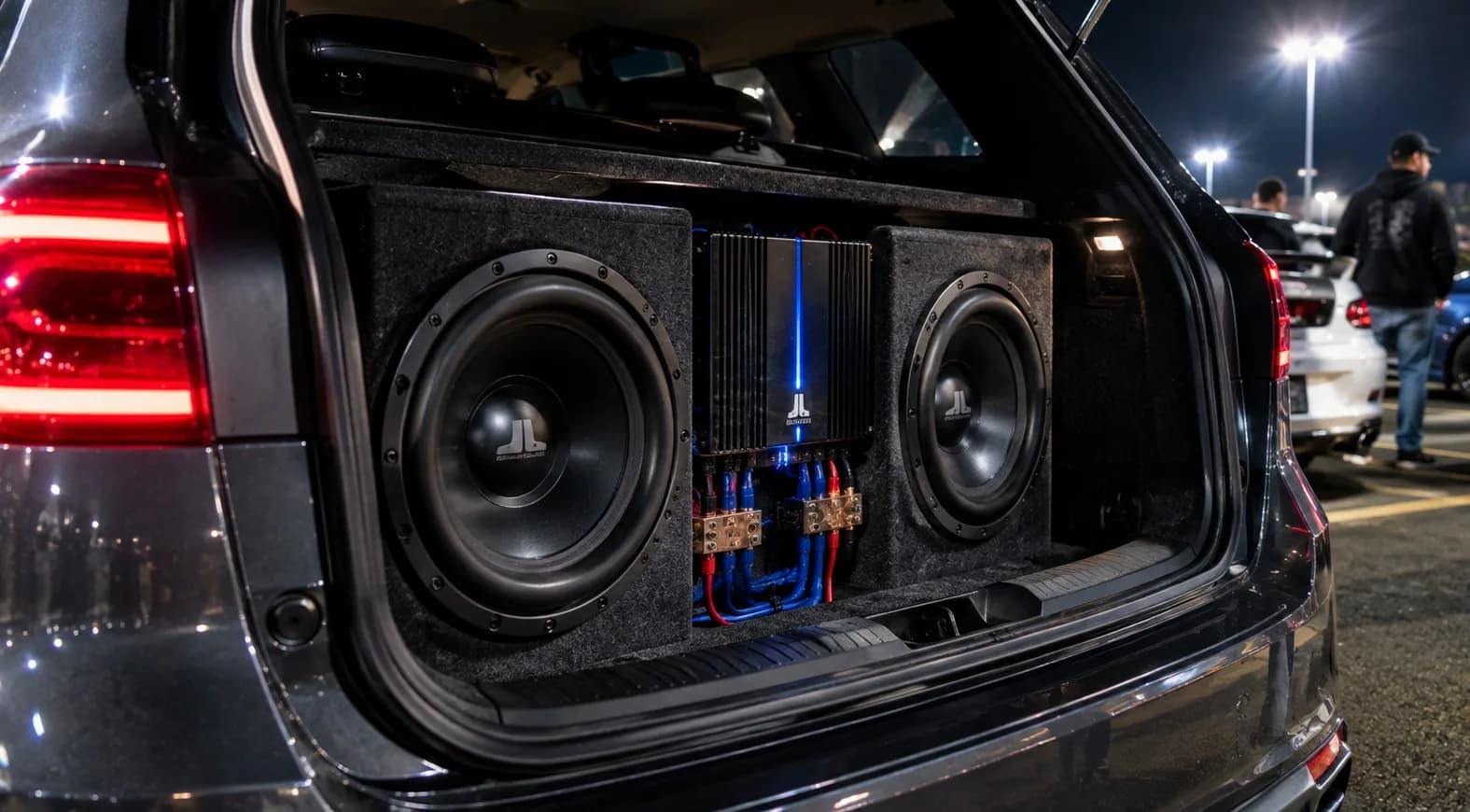
Interior & Electronics: Wiring harness conversions, aftermarket gauges, seating, sound deadening, HVAC functionality.
2. The Paper Trail
Gather physical or digital copies of:
Receipts for major mechanical components (block work, transmission rebuilds, custom fabrication).
Dyno tuning sheets showing air/fuel ratios and power curves.
Alignment sheets matching the current setup.
Professional shop invoices verifying who performed complex work.
Real-World Observation: On platforms like Bring a Trailer or PCARMARKET, listings that include a clean Google Drive link containing digitized receipts and dyno graphs routinely command a 10% to 15% price premium over similar builds with missing history.
Phase 2: Write Listings That Cut Through the Noise
Writing for enthusiasts requires a voice that is knowledgeable, transparent, and direct. Cut the sales pitch and stick to facts, specs, and operational reality.
Frame the Story Without the Melodrama
Why are you selling? Buyers always wonder if you are dumping a headache. Be honest. Are you clearing garage space for a new project? Did your priorities shift? A simple, believable explanation removes suspicion.
Name the Builders and Tuners
If a reputable shop built the engine or tuned the ECU, name them explicitly. A engine assembled by a known specialist instantly validates your asking price. Conversely, if you built it in your garage, own it. Highlight your attention to detail, torque specs, and testing procedures. Enthusiasts respect honest craftsmanship over hidden shortcuts.
Address the Imperfections
Every custom build has quirks. Maybe the speedometer reads 5 mph fast due to tire sizing, or the cold-start idle takes thirty seconds to settle on stand-alone ECU setups. Mentioning these details upfront proves you are not hiding major flaws.
Phase 3: High-Impact Visuals and Video
Bad photography kills great builds. You do not need a five-thousand-dollar camera setup, but you do need basic attention to detail.
Photo Checklist for Custom Builds
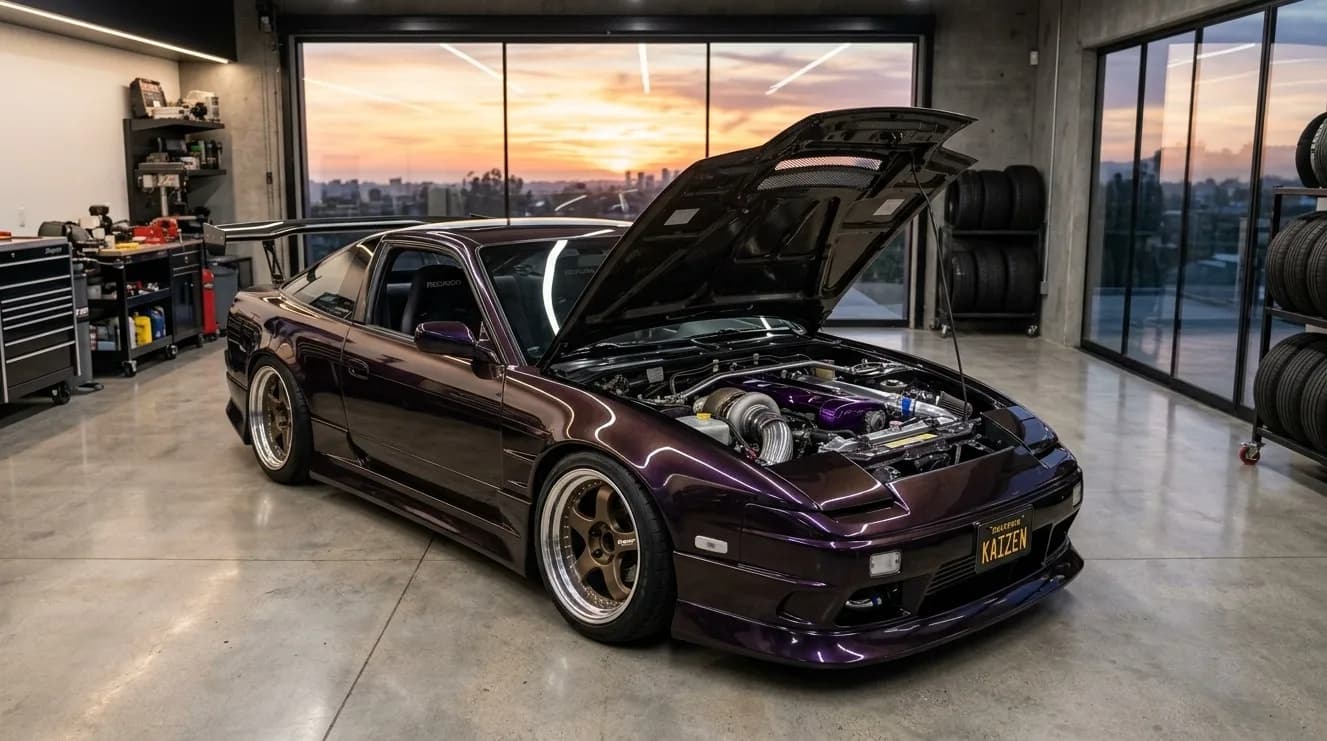
Location: Park in an open, uncluttered area (a clean industrial park or scenic overlook) during early morning or late afternoon light. Avoid harsh mid-day shadows.
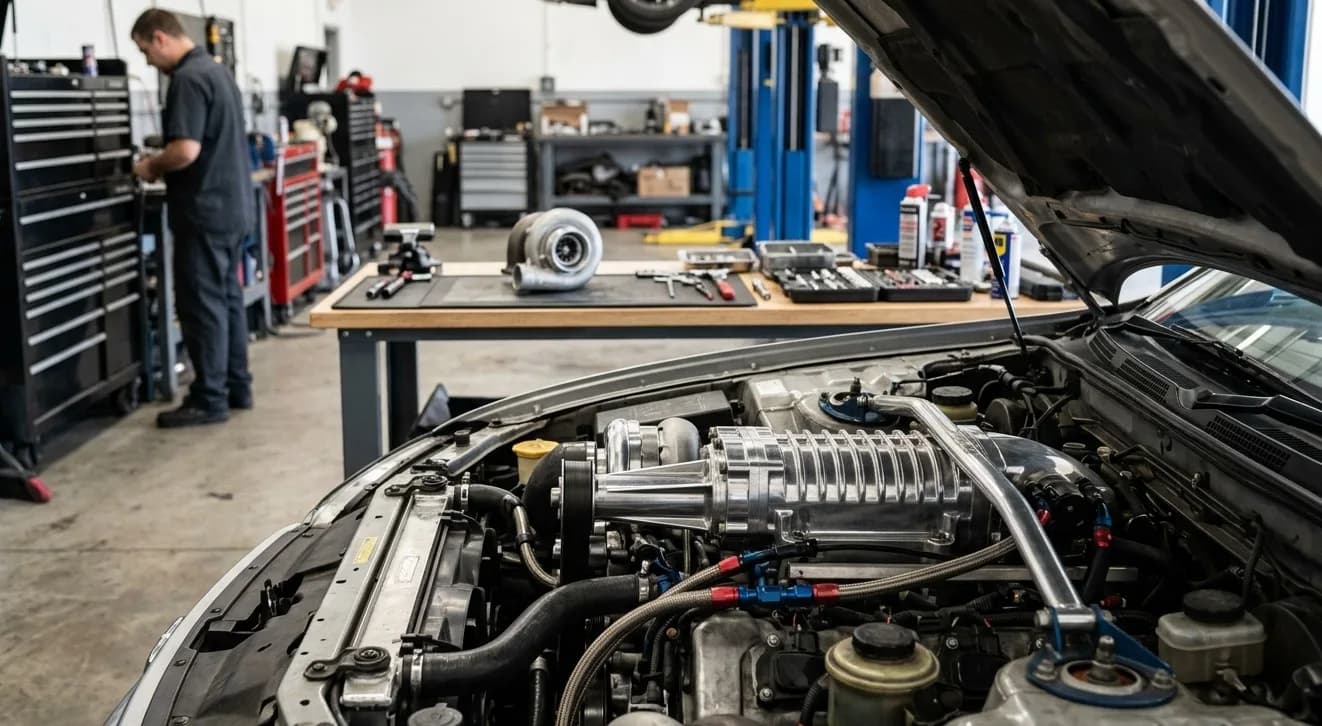
Engine Bay: Clean the bay. Show the turbos, intake routing, wiring harness tuck, and master cylinders clearly.
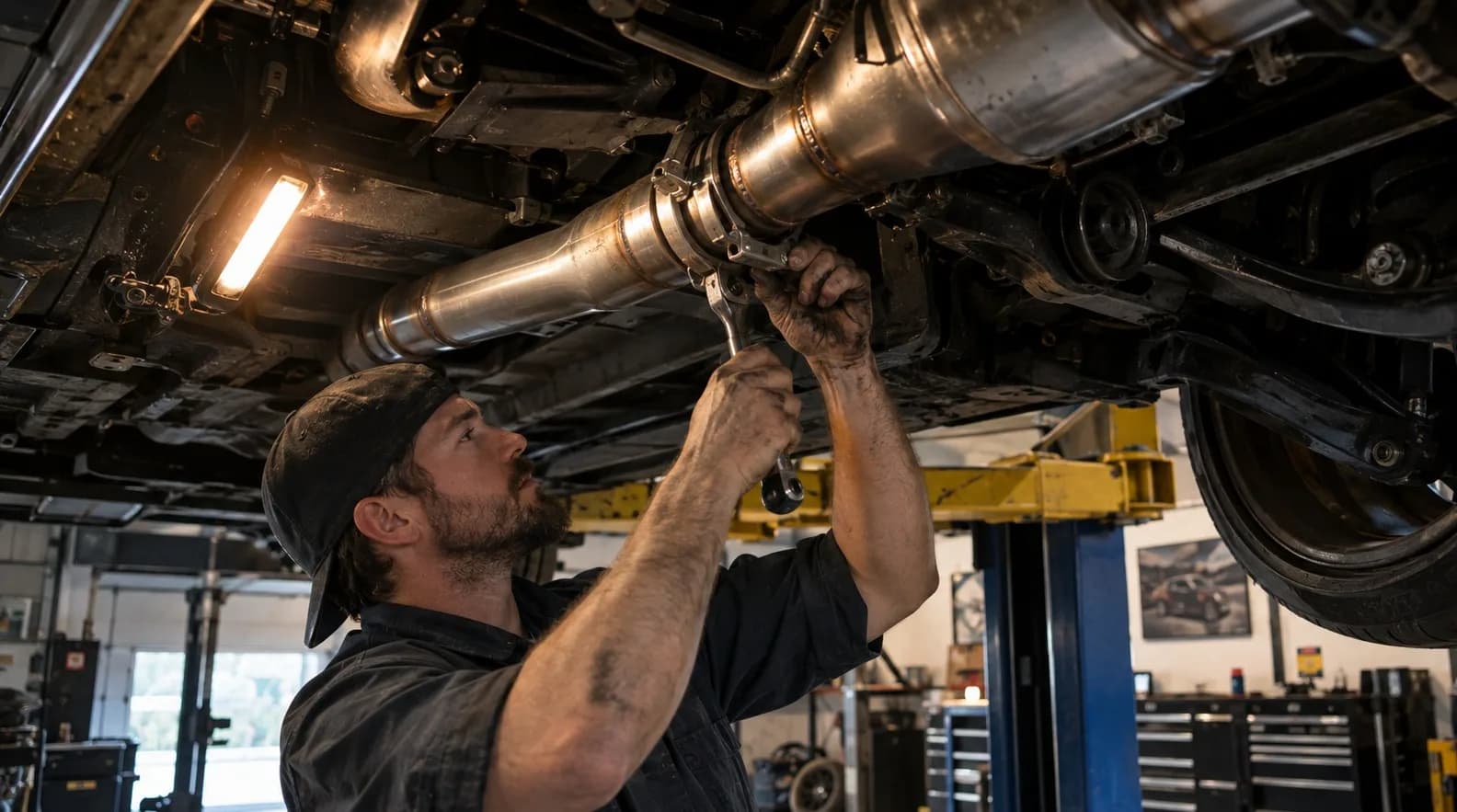
Underside & Chassis: Put the car on a lift or jack stands. Take clear photos of floor pans, frame rails, exhaust welds, suspension arms, and dry oil pans.
Interior Details: Frame the bolster condition on seats, steering wheel wear, gauge cluster clarity, and wiring cleanliness under the dash.
Imperfections: Take close-ups of paint chips, cracks, or trim wear.
The Cold-Start and Walkaround Video
Video is non-negotiable for out-of-state buyers. Record a single, continuous, unedited video that covers:
Cold Start: Show your hand on the cold exhaust manifold, then start the engine from inside the cabin. Show oil pressure gauges settling into normal range.
Walkaround: Walk slowly around the vehicle, showing panel gaps and lighting operation.
Driving Footage: Run through the gears, demonstrate smooth braking, and show that gauges remain stable under load.
Phase 4: Setting the Price and Managing Buyers
Pricing a custom build requires balancing total investment against market demand.
The Pricing Formula
Start with the market value of a clean, stock chassis of your vehicle model. Add roughly 30% to 50% of the raw parts value for high quality, desirable modifications. Do not factor in labor costs unless the car was built by a famous design house or racing team with historic provenance.
Screening Inquiries
Set ground rules in your listing to eliminate tire-kickers:
State clearly whether test drives require proof of funds or a deposit.
Specify acceptable payment methods (bank wire transfers or cashier's checks verified at the issuing branch).
Welcome pre-purchase inspections (PPI) at the buyer's expense at a local reputable shop.
The Bottom Line
A custom build represents hundreds of hours of decisions, troubleshooting, and expense. Presenting it poorly at the finish line costs you thousands of dollars.
Organize your documentation, capture clear media, price the car based on market realities, and write a listing that answers tough questions before the buyer even asks. When you respect the process, you find buyers who respect the build—and pay what it is worth.
Join CarCultureHQ
Claim your free digital garage
Build your ride profile, log modifications, join a crew, and get your build in front of thousands of enthusiasts.
Create your free garageFrequently asked questions
Can I recover the cost of shop labor when selling my modified car?
Generally, no. Buyers look at shop labor as an operational expense required to complete the car, not value added to the title. The exception occurs when the build was executed by an iconic shop whose brand name adds intrinsic value to the vehicle.
Is it better to return a custom car to stock before selling?
If your car features rare, high-value bolt-on parts and you still have the stock components, parting it out almost always yields a higher total financial return. However, it requires significant labor, time, and space to pull parts and sell them individually.
How do I handle test drives for high horsepower builds?
Never hand the keys over to a prospective buyer without verified proof of funds or a cash deposit in hand. For high-horsepower or complex setups, offer to drive the buyer through a thorough demonstration route first, allowing them to take the wheel only after terms are negotiated.
What should I do if an out-of-state buyer asks for a Pre-Purchase Inspection (PPI)?
Agreed-upon PPIs build buyer confidence. Offer to drop the car off at an independent local specialist chosen by the buyer. Make sure the shop sends the report and billing directly to the buyer to avoid conflict of interest.
Comments
Join the conversation on How to Sell a Custom Build Without Getting Lowballed. Keep it civil — admins moderate reports.
Loading comments…